Guide · windows & doors scripts

Door-to-door windows sales scripts, and the words homeowners really say

You are not selling a window at the door. You are selling a 90-minute appointment with both owners home. Here are the openers, the qualifying questions, and a straight answer for every objection this trade throws.

Flat month-to-month from $30/mo · 14-day free trial · no seat minimums, no annual contract

The short version: in windows and doors the house qualifies itself, so open with what you can see. Ask four qualifiers — own or rent, how long here, original windows, how many openings — and never leave without both decision makers on the calendar. The whole trade lives or dies on set-to-sat, and almost every objection below is really one of three things: price shock, appointment-length fear, or the other spouse.

Why a windows script is not a solar or roofing script

Solar leads with a bill. Roofing leads with a storm. Windows has neither — there is no monthly statement to point at and no hailstorm to blame. What windows has is a house that visibly tells on itself, and a sale that is enormous relative to how boring the product sounds. A homeowner hears "windows" and immediately thinks two things: that is going to be twenty thousand dollars and that is going to be a four-hour presentation. Both of those fears are earned, and both are already in their head before you finish your first sentence.

So a windows script has a different job than most. It has to make the ask small and specific, prove fast that you actually know what you are looking at, and remove the two fears without lying about either. The reps who do that book sits that hold. The reps who oversell at the door book sits that cancel on Thursday.

The four qualifiers you never skip

Everything else on this page is optional. These are not. Get them wrong and you burn a closer's evening.

  • Do you own the home? Renters are a hard stop. Ask early and ask casually — "you guys own, right?" — before you invest ten minutes.
  • How long have you been here? Two to three years and up means they have lived through the drafts and the utility bills. Brand-new movers into an older home are excellent for a different reason — the improvement list is still fresh.
  • Are those the original windows? This is the whole qualification. Original aluminum or first-generation builder vinyl is a job. Six-year-old replacements are not.
  • Roughly how many openings? Three is a small ticket, fourteen is a whole-house project. It changes whether the appointment is worth a closer's night, and it stops you promising a number that cannot exist.

Add one more if you are also selling entry and patio doors: "and is that the original front door too?" A rusting steel slab or a slider that has been shimmed with a broom handle is often an easier first yes than fourteen windows, and it gets a closer in the house.

Four openers that work at a windows door

Say them in your own words. The only rule is that every one of them has to be true.

👀

The curb read

"Hey — I'm going to be straight with you, I knocked on you specifically. Those aluminum frames on the front, and the one on the side that's got the fog between the glass? That's a failed seal. Are those the originals to the house?"

Why it works: you proved competence in nine seconds and asked a question they can answer without commitment.

🚚

The neighbor job

"We had a crew on Kessler two streets over Tuesday — you might've seen the truck. I'm letting the block know while we've still got the crew in the area. Quick question, are those your original windows?"

Why it works: installs are visible for a day or two, so this is verifiable. Only use it when there really was a truck.

🥶

The first cold snap

"First real cold night of the year last night. I'm asking people on this street one thing: do you feel it by the windows when you sit in the living room? Because that's the one people live with for years before they fix it."

Why it works: the product is invisible until the weather makes it obvious. Same play with the first heat wave and a west-facing room.

🗓️

The honest ask

"I'm not going to sell you a window standing in your driveway — I can't, I don't know your sizes. All I do is set the time for somebody to measure and give you an exact number. Takes about an hour, and both of you need to be here. Are evenings or Saturdays better?"

Why it works: it names the length, names the both-owners rule, and kills the "how much" objection before it is raised.

The objection branches, in the words they actually use

Quick reference first, then the four hardest ones in depth. Notice how many of them are the same objection wearing a different coat.

What the homeowner saysWhat it usually meansWhere to take it
"How much is a window?"They want to disqualify you fast and get back to their evening.Explain honestly why no number exists yet, give the shape of it, trade the number for the measurement.
"We already had three companies out."They want windows and nobody earned the yes. Highly qualified.Ask what the numbers were and what stopped them. Be the short, no-pressure one.
"My wife isn't home."Often true, sometimes a polite exit. Either way it is not a sit.Do not pitch. Set it for a time both are home and write down her name.
"Our windows are fine."They have never been told what to look at.Point at one specific thing — fogged pane, painted-shut sash, a sill you can press a thumb into.
"We're not spending twenty grand."Price shock from a previous quote or from a neighbor's story.Separate the whole-house project from a phased one. Ask which rooms are worst.
"I can get them at the box store for way less."They are comparing a stock unit on a shelf to an installed, warrantied opening.Do not knock the box store. Explain what "installed" includes and let them decide at the appointment.
"We're only here a couple more years."Real objection, and sometimes a real disqualifier.Resale and the "buyer's inspection" angle — but be honest that it is not always the right spend.
"Is this a four-hour presentation?"They have been through one and it left a mark.Name a real length and then honor it. This is the fastest trust you can buy in this trade.
"Just leave me a brochure."A soft no, and the end of the interaction if you comply silently.Leave your card with a QR, but ask one more question first — the real one you have not asked yet.
"We're doing the roof first."A genuine sequencing objection. Respect it.Take the date. This is a go-back, and a good one — write down when the roof is happening.
"We rent."Disqualified for windows.Thank them, disposition it renter, and never knock it again.
"Do you have a permit to be doing this?"Sometimes hostile, sometimes a fair question.Know the answer before you knock the city. Carry it. Leave politely if the street is posted.

"How much is a window?"

This is the trade's signature door objection and most reps handle it badly in one of two ways: they dodge it ("that's exactly what the appointment is for!") which reads as evasive, or they throw out a low per-window number to keep the conversation alive, which guarantees a blown-up kitchen table two weeks later.

Answer it like a professional who knows why the question cannot be answered: "Honest answer — I can't tell you, and anybody who gives you a number standing in your driveway is guessing. It depends on the size of the opening, how many you're doing, and whether we're setting an insert inside your existing frame or tearing back to the studs, which I can't see from here. What I can tell you is nobody does one window for a hundred bucks, and doing the whole house is a real project people usually finance. If you tell me how many you're thinking about, I can tell you whether it's worth having somebody measure."

You have now done three things: refused to lie, given them a real frame for the size of the decision, and turned the objection into your fourth qualifier. If they say "just the three in the back bedroom," you know what kind of appointment this is.

"My husband isn't home"

The one-legger is where windows canvassers quietly destroy their own numbers. A set that goes on the board without both owners is a set that gets cancelled, or worse, a demo that gets run and ends in "I have to talk to my wife" after three hours of a closer's night.

Say it out loud and make it about fairness to them: "Totally fine — honestly I'd rather come back. The reason is the guy who comes out gives you an exact price that day, and if there's financing involved both names are on it. It's not fair to make you sit through the whole thing and then do it again for him on Saturday. What's his name? And what's better for you two — a weeknight after he's home, or Saturday morning?"

Write the spouse's name down. Use it when you confirm. And disposition the door as one-legger rather than set so your set-to-sat number stays honest — a canvasser who cannot see their own no-show rate cannot fix it.

"We already had three companies out here"

Every instinct says this is a dead door. It is the opposite. Somebody who has sat through three multi-hour presentations has already decided they want windows — they just have not found a company that made saying yes feel safe.

So stop pitching and get curious: "Three? Okay — what were they coming in at? ... And what made you not pull the trigger?" Then be quiet. You will hear one of four things almost every time: the number was way past what they expected, the rep would not leave, the quotes were not comparable, or one company quoted a full tear-out and another quoted inserts and nobody explained why the price doubled. Each of those has a clean answer, and none of them requires you to trash a competitor by name.

Close on the difference: "Then let me do the opposite of what those guys did. One hour, real number in writing, and if it's not for you I leave. Tuesday at six or Saturday at ten?"

"Our windows are fine"

Nobody is lying to you here. Windows fail slowly and invisibly, and people adapt — they stop using the drafty room, they put a towel on the sill, they run the heat higher. Your job is not to argue; it is to point at one specific thing and let them look at it themselves.

"Yeah, they mostly work — most people's do. Do me one favor though: look at that upstairs one on the left. See the haze between the two panes that doesn't wipe off? That's the seal, and that one's already done — it's basically a single-pane now. That's the kind of thing people don't notice until somebody points at it."

Then stop. If they walk over and look at the window, you have an appointment to ask for. If they do not, they were never a window buyer today, and that is a go-back, not a fight.
The three scripts nobody writes down

These do more for your numbers than any opener.

1

The confirmation

Call the day before, in the evening, and confirm both names: "Just confirming tomorrow at six for you and Dana. It runs about an hour, he'll measure the openings and leave you an exact price. Anything change on your end?" The set-to-sat rate in this trade is fixed here and nowhere else.

2

The not-home

Do not just walk. Leave your digital business card QR on a hanger with one handwritten line — "stopped by about the front windows, that seal on the upstairs one is gone" — and disposition it so it comes back around at a different time of day. The same door at 7pm is a different door than at 2pm.

3

The go-back to a lost quote

Six months later: "Hey — I'm the one who was out here in the spring, you had the Provia quote at nineteen five. I'm not here to re-pitch you, I just wanted to know what the number would've had to be." Quoted-and-lost is the warmest list in windows and almost nobody works it.

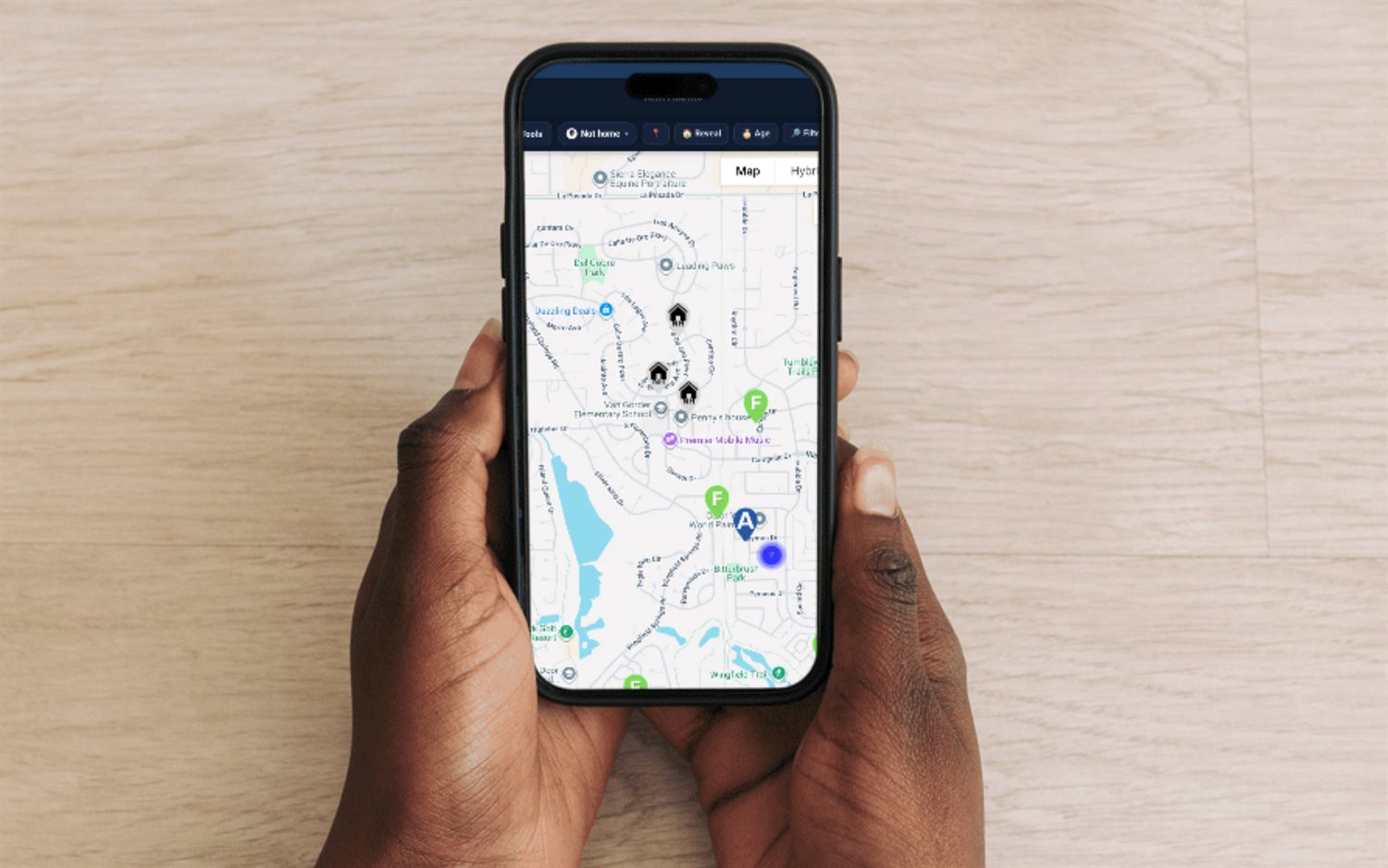
Where the software fits: none of those three scripts work from memory. They work because every door carries its own disposition, note and go-back date on the knock map — so the not-home comes back at a new hour, the lost quote resurfaces in the spring, and the one-legger never gets counted as a set.
Lines to never use

The scripts that get sets and complaints

Home improvement is a regulated sale, and windows is the archetype of it. A line that books a sit today and produces a cancellation, a chargeback and a complaint next week has cost you money, not made you money.

  • No invented government, utility or "neighborhood energy" program that pays for windows
  • No promised tax-credit dollar amount — energy-efficiency credits have caps and rules, and you are not their accountant
  • No "free windows," no "we just need your house for a display"
  • No price that expires tonight unless it genuinely does
  • No neighbor job that did not happen and no name-dropping a neighbor who did not agree to it
  • Know your local rules: solicitation permits, posted no-soliciting streets, home improvement contractor licensing, the EPA lead-safe rule on pre-1978 homes, and the three-business-day cancellation right on an in-home sale

General objection handling →

FieldStacker knock map with custom dispositions — one-legger, set, confirmed and go-back all color-coded on the same street

Keep reading for this trade

🚪

How to sell windows door to door

Territory by housing stock, season, the set, the follow-up.

Read the field guide →

💰

Windows sales commission

What a set is worth, what a sale is worth, and what gets clawed back.

See pay structures →

📊

What windows reps make

Setter, first-year closer and veteran ranges, with the honest caveats.

See the numbers →

🗺️

The windows CRM

Territories, dispositions, GPS knocks and commission in one app.

See the CRM →

Also: all industries · the knock map · flat pricing · general D2D scripts

Windows script questions, answered straight

What is the best opener for windows and doors door-to-door?

The strongest openers name something you can see from the sidewalk, because in this trade the house qualifies itself. "I knocked on you specifically because of the aluminum frames on the front" or "we had a truck on Kessler Street Tuesday and I am letting the block know" both work far better than "we are doing a promotion in the area," because they are true and specific. Then say what you actually want, which is not a sale — it is a 60 to 90 minute appointment with both owners home. Canvassers who ask for the appointment instead of pretending they are not selling get fewer arguments at the door and far fewer no-shows later.

How do you answer "how much is a window?" at the door?

You do not give a number, and you do not dodge either — dodging is what makes homeowners think you are hiding something. Say why plainly: price depends on the opening size, how many you are doing, whether it is a pocket insert or a full-frame tear-out, and the glass package, so any number you hear at a door is a made-up number. Then give the honest shape of it — most whole-house replacement projects land in a wide band, and one or two openings is a very different conversation than fourteen — and pivot straight to the appointment where somebody measures and prices it for real. Reps who quote a low per-window number at the door create a cancel at the kitchen table.

What do you say when only one homeowner is home?

This is the one-legger, and it is the single biggest cause of wasted demos in the windows trade. Do not run the appointment anyway just to log a set. Say it straight: the presentation includes an exact price good for the day, and financing paperwork needs both names, so it is unfair to ask one person to sit through it and then repeat the whole thing later. Then set it for a time both owners are actually home — most windows appointments land on weeknights after 5:30 or Saturday mornings for exactly this reason. A clean set on Tuesday beats a dead sit tonight.

How do you handle "we already had three companies out here"?

Treat it as a buying signal, not a rejection — a homeowner who sat through three presentations wants windows and has not found a reason to say yes. Ask what the numbers were and what stopped them, and listen instead of pitching. Usually it is sticker shock, a rep who would not leave, or a quote for a full-frame job when they expected inserts. Your job is to be the one who does not repeat that experience: shorter, no expiring-tonight pressure, a real number in writing. That is also why a quoted-and-lost list is the most valuable list a windows rep owns.

Should windows canvassers memorize a script word for word?

Memorize your first two lines and your qualifying questions, then let the rest breathe. The opener has to be automatic because nerves show in the first five seconds, and the qualifiers — do you own, how long have you been here, are those the original windows, how many are we talking about — have to be automatic because forgetting one is what produces a bad set. Everything between those is a conversation. Reps who recite a paragraph get cut off on line three; reps who know their beats sound like a neighbor who happens to know windows.

What claims should a windows canvasser never make at the door?

Never invent a government or utility program that pays for windows, never promise a specific tax credit amount, never say "free windows," never claim a price expires tonight when it does not, and never say you are doing a job down the street if you are not. Home improvement sales is a regulated space: many cities require a solicitation permit, many states license home improvement contractors, work on homes built before 1978 falls under the EPA lead-safe renovation rule, and an in-home sale carries a three-business-day right of cancellation the customer must be told about. A line that gets a set today and a cancellation plus a complaint next week is not a good line.

A good script needs a door that answers

Work the right streets, disposition every knock, and let your go-backs come due on their own. Start a 14-day free trial — no credit card.