Guide · door-to-door scripts

Door-to-door sales scripts that actually work

Not a paragraph to memorize — a framework you can say differently at every door. The anatomy of a great approach, industry-flavored examples, the transition to your pitch, the close, and the go-back scripts that quietly outsell everything else.

Flat month-to-month from $25/mo · 30-day free trial · no seat minimums, no annual contract

The short version: the best door-to-door scripts are frameworks, not monologues. Learn five beats — interrupt, reason, question, bridge, ask — memorize only your first two lines, and let the middle breathe. Swap the reason and value line per industry; keep the skeleton. Then knock at the right times and track what actually gets said at each door.

Why scripts written to be memorized fail

Walk any neighborhood and you can spot the reps reciting a paragraph. Their eyes go up and to the left, their pace never changes, and by the third sentence the homeowner has already decided this is a sales pitch and reached for the door. A memorized block of text does two things wrong at once: it makes you sound like a recording, and it locks you out of reading the person in front of you. The half-open door, the kid in the background, the "we already have one" — none of that changes your delivery, because you are busy retrieving line four.

A script that works does the opposite. It gives you a reliable structure so you always know your next beat, while leaving the exact words loose enough to match the human at the door. You memorize the opener cold — nerves show most in the first five seconds — and improvise the rest against a set of beats you have drilled until they are automatic. That is the difference between sounding scripted and sounding like a neighbor who happens to be good at this.

The anatomy of a great door approach

Almost every strong knock, in every industry, moves through the same five beats. Learn these and you can build a script for anything you sell.

The five-beat framework

Memorize the beats, not the paragraph. Every industry example below is just these five, re-flavored.

1

Interrupt

Break the "salesperson at my door" script in their head. Smile, take a half step back from the door to lower the threat, and open relaxed. You are pattern-interrupting, not pitching.

2

Reason

Say why you are on their street, specifically, before who you are. Reference something true and local — a neighbor, a new mover, the season, a program in the area — so it never sounds like a cold sweep.

3

Question

Ask one low-commitment question that earns the next 20 seconds. Not "wanna buy" — something they can answer easily that tells you if there is a fit.

4

Bridge

Connect their answer to what you do in one plain sentence, with a proof point. This is where you finally say what you offer — after you have earned the right to.

5

Ask

Make a clear, small next-step ask: a look, a quick check, a time to come back. Never end on a monologue. End on a question that moves the door forward.

Say it in one breath: "Hey — (interrupt) I'm out here with your neighbors on Maple (reason). Quick question: are you the homeowner, or do you rent? (question) Perfect — so what we're doing on the street is [X], and the folks two doors down just [proof] (bridge). Do me a favor, let me show you one thing real quick — you got two minutes? (ask)"

Industry-flavored intro examples

Same five beats — only the reason, the question and the proof point change. Steal the shape, write it in your own words.

☀️

Solar

Reason: a neighborhood program plus their utility bill. Question: "Roughly what are you paying the power company each month?" Bridge: the neighbors already on it and what changed. Full playbook on the solar CRM page.

🐜

Pest control

Reason: the season and what neighbors are treating for right now. Question: "Have you seen ants or spiders picking up around the yard yet?" Bridge: the route already running on this street this week.

🏠

Roofing

Reason: recent storm or roof age on the block. Question: "Do you know roughly how old the roof is?" Bridge: a free look and what you found on nearby homes. See the roofing CRM page.

🌐

Fiber

Reason: new fiber live on their street. Question: "Who are you with for internet right now — and happy with the speed?" Bridge: speed and price versus their current provider. More on the fiber page.

🔒

Alarms / security

Reason: recent activity in the area and a monitored-vs-unmonitored contrast. Question: "Do you have anything on the house now, or nothing yet?" The alarm-native edition is SecurityQS, same backend.

🧩

Anything else

Sell something not on this list? The framework does not care. Pick a true local reason, one easy question, and one proof point, and you have a fresh intro in five minutes. See all industries.

The transition: from small talk to the pitch

Most knocks die in the gap between "nice opener" and "actual pitch." The homeowner is warm, then you fumble the handoff and the energy drops. The fix is a bridge sentence that turns their answer into your reason for being there: repeat what they just said, then connect it to the one thing you do. "So you're paying around $180 a month and you've been in the house a few years — that's exactly why I stopped, because the folks two doors down were in the same spot and here's what changed." You are not adding pressure; you are showing you listened.

Then earn the sit or the demo with a small ask, not a big one. "Let me show you one thing real quick" beats "can I come in and go over everything." Lower the size of the yes and you get more of them. If they are not ready, you are not done — you are setting up the go-back.

Closing lines that don't feel like closing

A close on the doorstep is just a clear, confident next step. The reps who close hardest are usually the ones who make the next step feel obvious and small. A few patterns that work across industries:

  • Assumptive next step: "I've got two spots left this week — does Thursday evening or Saturday morning work better?" You offer a choice between two yeses, not a yes/no.
  • The takeaway: "This honestly isn't for everybody — let's just see if you even qualify before we talk about it." Removing pressure often lowers the guard.
  • The neighbor proof: "Three houses on this block already did it — I'd feel bad not at least showing you the same thing." Social proof they can literally see.
  • The small yes: "You don't have to decide anything today — can I just grab a quick look at the back of the house?" Momentum beats a hard ask.

Whatever you use, end on a question, then stop talking. The first person to speak after the ask usually loses. Let the silence do the work.

Go-back scripts: the ones that quietly outsell everything

Here is the part new reps skip and veterans live on. Most doors are not "no" — they are "not now" and "not home." A go-back script is what you say when you return to one of those doors, and it converts far better than a first knock because you are no longer a stranger. You open by referencing the earlier visit: "Hey, I stopped by Tuesday and missed you — I'm the one who left the card about the neighborhood program." Instantly you are the familiar face, not the tenth knocker this month.

The whole thing only works if you actually remember what happened at each door and when to return. That means dispositioning every knock — not-home, callback, appointment, sold — and setting the callback so it comes due at the right time. Do that and your go-backs knock warm instead of cold. Skip it and you are re-cold-knocking your own best leads.
Where the script meets the street

A script only works if you knock the right door at the right time

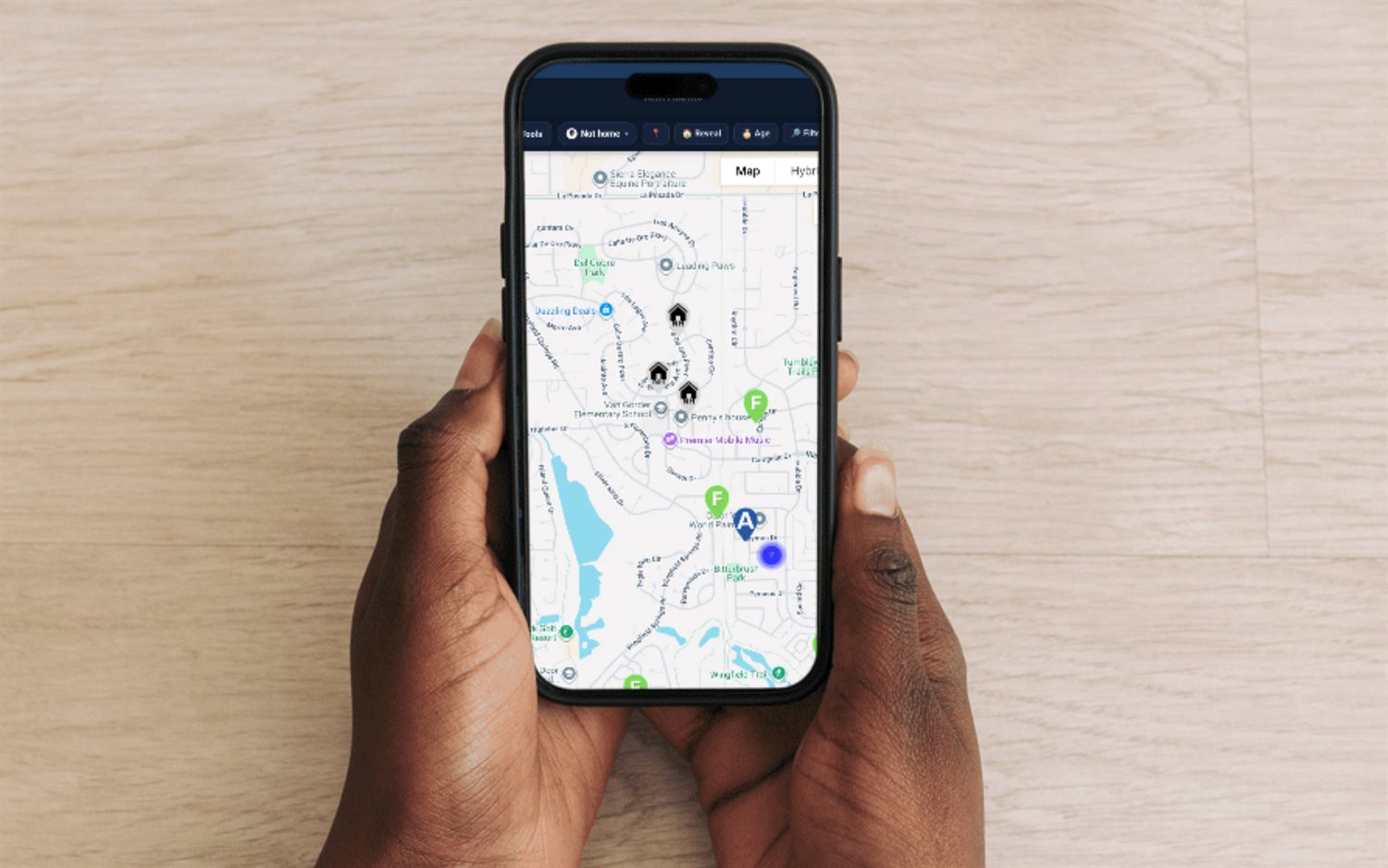
The best opener in the world dies against a door nobody answers. FieldStacker keeps the whole approach honest end to end: fresh leads on a knock map, color-coded dispositions so every door remembers its own status, callbacks that come due for your go-back scripts, prime-time analytics that tell you the best days and times to knock, and AI objection coaching to sharpen the line you fumbled last door.

  • Disposition each door so go-backs knock warm, not cold
  • Callbacks come due at the right time, automatically
  • Prime-time analytics: knock when doors actually open
  • AI objection coaching between sits to fix the fumbled line

See every feature →

FieldStacker knock map with color-coded custom pins so every door remembers its disposition for the next go-back

Drill it until it sounds like you

Frameworks beat memorization — but only if you rehearse the beats out loud.

🎙️

Record yourself

Say your opener into your phone and play it back. You will hear every stiff, salesy word instantly — then cut it.

🤝

Role-play the objections

Have a teammate play a skeptical homeowner and throw real pushback. Practice the common objections until they stop rattling you.

🌱

New to the doors?

Start with the fundamentals before you polish lines. The beginner's guide walks the whole first week.

Questions reps ask

What makes a good door-to-door sales script?

A good D2D script is a framework, not a monologue. It gives you a strong pattern-interrupt opener, a reason you are on the street that sounds neighborly, a single clear question that earns the next 20 seconds, and a natural bridge to the pitch — then it gets out of your way. The best scripts are short enough to say differently every door and specific enough that the homeowner instantly knows why you knocked. If you cannot deliver it while looking relaxed and making eye contact, it is too long.

Should I memorize my script word for word?

Memorize the structure and your first two lines, not the whole thing. The opener needs to be automatic so nerves do not show, but the middle has to breathe — you are reading tone, body language and the half-open door in real time. Reps who recite a fixed paragraph sound like a recording and get the door closed on line three. Learn the beats (interrupt, reason, question, bridge, ask), rehearse each one out loud, then let the exact words change with the person in front of you.

How do I open a door-to-door pitch without getting shut down?

Lead with a pattern-interrupt that lowers the threat: smile, take a half step back from the door, and say why you are specifically on their street before you say who you are. Reference something true and local — a neighbor, the new-mover next door, a program in the area — so it does not sound like a cold sweep. Then ask one low-commitment question instead of launching a pitch. The goal of the opener is not to sell; it is to buy yourself the next 30 seconds.

What is a go-back script and when do I use it?

A go-back script is what you say when you return to a not-home or a callback door you already dispositioned. It works because you are no longer a stranger — you open by referencing the prior visit ("I stopped by Tuesday and missed you"), which builds instant familiarity and separates you from every other knocker. Keep a note on each door of what was said and when to return, then let the callback come due so you knock it warm instead of cold. Go-backs close at a much higher rate than first knocks because the relationship already started.

Do I need a different script for each industry?

You need a different reason and a different value line — the skeleton stays the same. Solar leads with the utility bill and a neighborhood program, pest control leads with the season and what neighbors are treating for, roofing leads with storm or age, fiber leads with speed and price versus the current provider, and alarms lead with recent activity and a monitored-vs-unmonitored contrast. Swap the reason, the one question and the proof point; keep the interrupt-reason-question-bridge-ask structure identical across every vertical you knock.

How do I practice a script so it sounds natural?

Rehearse out loud, not in your head, and record yourself on your phone so you hear the parts that sound stiff. Run role-plays with a teammate who plays a skeptical homeowner and throws real objections at you. On the street, review your prime-time analytics to knock when doors actually answer, and use AI objection coaching between sits to sharpen the line you fumbled last door. Reps who drill the beats for one week stop sounding scripted and start sounding like a neighbor.

Bring your script to a smarter map

Knock the right doors at the right times, track every disposition, and let your go-backs come due on their own. Start a 30-day free trial — no credit card.