Guide · door-to-door

Door-knocking tips that actually work — on any door

No hype, no scripts to memorize word-for-word. Just the small things that decide whether the door opens: how you stand, what you say in the first seven seconds, and what you do with every door after you knock it.

Flat month-to-month from $25/mo · 30-day free trial · no seat minimums, no annual contract

The short version: Take a step back after you knock, lead with why you are on the street instead of a pitch, disposition every single door, knock when your area is actually home, and religiously go back to the not-homes. Volume matters — but so does what you do with each door you already earned.

Every industry knocks a little differently — solar, pest control, roofing, fiber, alarms — but the fundamentals of a door are the same everywhere. People decide whether they trust you before you finish your first sentence, they are busier and warier than they were ten years ago, and the reps who win are not the loudest; they are the most disciplined. Below are the tips that move the needle across verticals, in the order they happen on a real block.

1. Fix your body language before you fix your pitch

The most common mistake is standing too close and squared up. You knock, then plant yourself directly in front of the door filling the frame — and the homeowner opens to a stranger looming over their threshold. Instead, knock and take a full step back. Angle your body slightly so you are not chest-to-chest with the door. Keep your hands visible and relaxed, look at whatever they might be holding or working on rather than staring at the peephole, and smile like you already know them. You want to read as a neighbor who belongs on the street, not a salesperson who wants something. This one change opens more doors all the way than any line you can say.

2. Win the first seven seconds with context, not a question

Homeowners are trained to shut down two openers instantly: "Do you have a minute?" and "How are you doing today?" Both signal a pitch and both invite "no." Replace them with a reason you are specifically on their street. Something like: "Hey, I'm Marcus — I'm over here working with a few of your neighbors on Maple about their [roofs / bug problem / internet]." You have given your name, a reason, and a neighbor reference in one breath, and none of it asks them to buy anything. Then ask a soft, answerable question that keeps them talking. You are not closing on the step; you are earning the next thirty seconds. For openers you can adapt to your product, see our door-to-door sales scripts.

3. Read the door before you knock it

Every house tells you something. A fresh car in the driveway, kids' toys on the lawn, a package on the step, lights on inside — signs someone is home and worth the knock. A pristine "No Soliciting" sign, three newspapers piled up, or an obviously vacant house — adjust or skip. Reading the door also tunes your opener: a well-kept yard, a boat, a new roof next door, a political sign — anything you can genuinely reference for two seconds of human connection before the reason you are there. Curiosity beats a canned line every time.
Quick hits to steal today

Small habits that compound across a full day of knocking.

👋

Name first, always

Say your own first name in the opener. It humanizes you instantly and makes the interaction feel like two people, not a transaction.

🙋

Ask, don't tell

End your opener on a question they can answer easily. A talking homeowner is a homeowner who hasn't closed the door.

🧊

Assume the objection is a reflex

"Not interested" at the door is almost always automatic, not a real decision. Acknowledge it, then give one reason to keep talking.

👀

Reference something real

The dog, the truck, the new fence next door. Two seconds of genuine noticing lowers the wall faster than any pitch.

🎧

Talk less than you think

Ask, then shut up and listen. The homeowner will usually tell you exactly how to sell them if you let them finish.

🔁

Keep your energy flat-lined high

Door 41 doesn't know door 40 was a slam. Same smile, same pace, every single door — the good one is always coming.

4. Handle the not-homes like the asset they are

On most streets, a big share of doors are simply nobody-home — and that is not a rejection, it is a scheduling problem. The mistake is treating a not-home as a dead door. It is a person you already spent a knock on who happened to be out. Tag it, note the time you came by, and come back during a different window. If you knocked at 2pm on a Tuesday and got no answer, that house is probably home at 6pm. A rep who works their not-homes at the right hour will out-produce a rep who only ever knocks fresh streets.

5. Disposition every single door — no exceptions

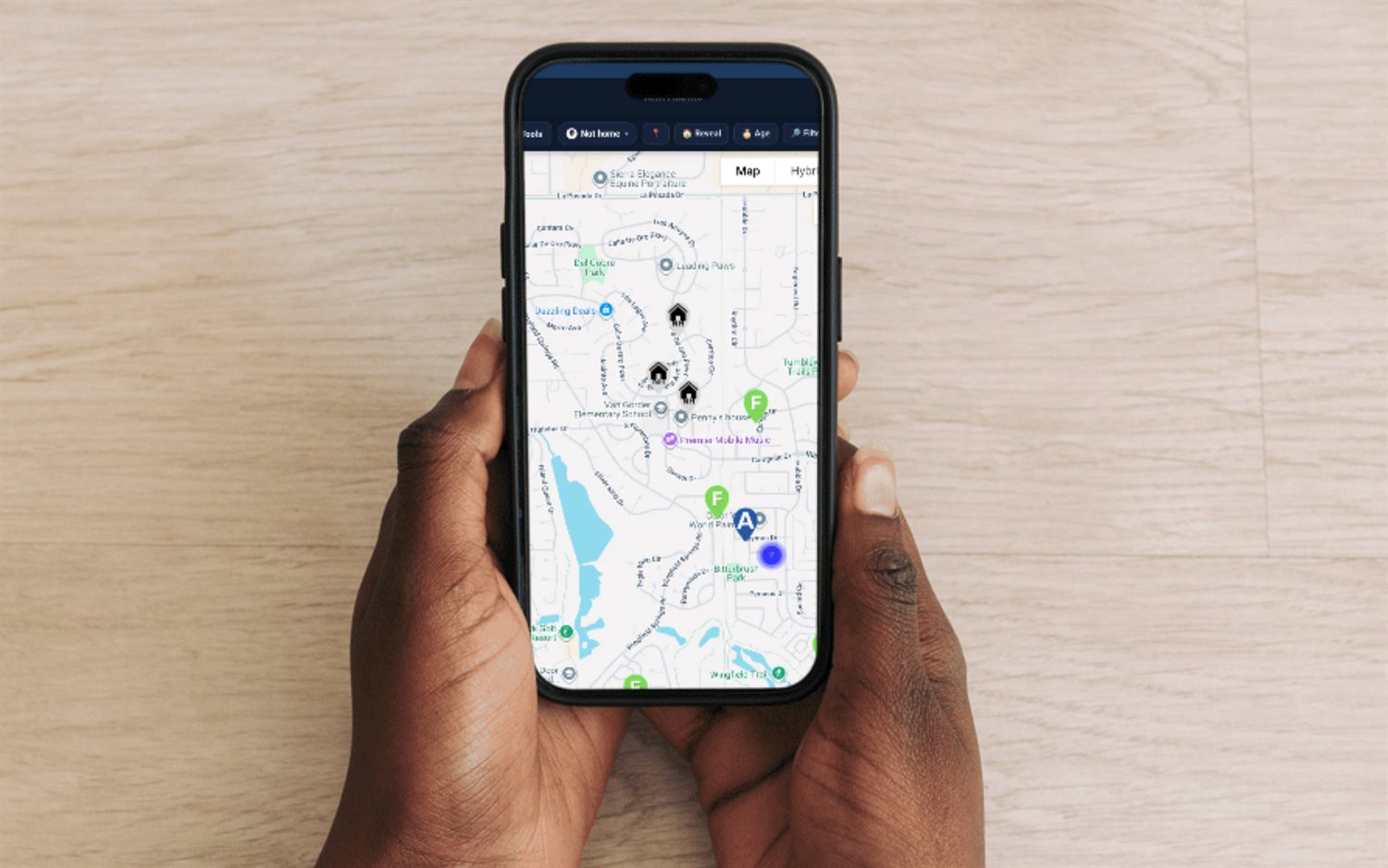
This is the habit that separates hobbyists from professionals. Every door gets a status: not-home, not-interested, callback, appointment set, pitched, sold. When you tag every door, three things happen: you never re-knock someone you already burned, you can see your whole street's status at a glance, and you build the data that tells you what is actually working. Trying to hold this in your head across 40 doors a day is how leads leak. FieldStacker's knock map gives you color-coded custom dispositions so tagging a door is one tap, and the whole block turns into a picture you can read.

FieldStacker knock map with color-coded custom dispositions across a neighborhood — every door tagged not-home, callback, pitched or sold
Discipline beats hustle

A tagged street is a map you can win from

When every door is dispositioned, your block stops being a blur and becomes a plan. You see the callbacks to revisit, the not-homes to hit at a better hour, and the streets you have already cleared. No double-knocking, no forgotten maybes, no "wait, did I do this house?"

  • One-tap color-coded dispositions on every door
  • Not-homes and callbacks you can filter and revisit
  • Go-back reminders so warm leads never go cold
  • Team GPS so two reps never knock the same street

See every feature →

6. Knock when your area is actually home

The best rep with the best pitch still loses to an empty house. Timing is a skill, not luck. For most residential doors, weekday late afternoons into early evening and Saturday late-mornings are your money windows — but your neighborhoods have their own rhythm, and the only way to know it is to track it. Instead of arguing about the "best" time, look at your own data: which days and hours actually convert answered doors into conversations. FieldStacker charts your personal prime-time from your real knocks so you aim your best hours at your best windows. Go deeper in our guide on the best time to knock doors.

7. Have a plan for the "not interested"

The first objection at the door is rarely the real one — it is a reflex to make you leave. "We're all set," "not interested," "we rent," "just send me info." Do not argue and do not fold. Acknowledge it honestly, then give one specific reason to keep talking that reframes why you are worth thirty more seconds. The reps who close know their three or four most common objections cold and have a calm, human response ready for each. Build that muscle deliberately — our full playbook is in handling door-to-door sales objections.

8. Volume and follow-through, not one or the other

Two levers move your results: how many quality doors you hit, and what you do with each one after. Chasing raw volume while leaking every callback is as broken as babying ten doors a day. Raise your door count with a planned route and a tight loop between houses, then protect every warm lead with a real go-back. If you want to squeeze more knocks into the same hours without frying yourself, read how to get more doors per day.

The knock sequence, start to finish

How one clean door actually flows on the street.

1

Read & approach

Scan the house for signs of life and something to reference. Knock, then take a full step back and angle your body.

2

Open with context

Name, reason you're on their street, neighbor reference, and a soft question — all in your first breath. Then listen.

3

Work the conversation

Handle the reflex objection, find the real one, set the appointment or make the pitch. Stay calm, stay curious.

4

Tag & move on

Disposition the door before you take a step — sold, callback, not-home. Set the go-back if there is one, then next door.

Questions reps ask

What is the single most important door-knocking tip?

Take a step back after you knock. The reflex is to lean in and fill the door frame, which reads as pressure and puts people on defense. Knock, then take a full step backward and turn your shoulders slightly to the side so you are not squared up on them. You look like a neighbor, not a threat, and the homeowner opens the door instead of cracking it. Everything else — your pitch, your product, your close — works better once the door is actually open and the person is not already looking for the exit.

How do I stop getting the door slammed in the first five seconds?

Lead with a reason you are on their street, not a pitch. "Hey, I am working with a few of your neighbors over on Maple about their solar" gives context and lowers the alarm faster than "Hi, do you have a minute?" — which every homeowner has been trained to say no to. Say your first name, say why you are there in one breath, and ask a question they can answer without committing to anything. You are buying the next thirty seconds, not closing the deal on the step.

What time of day should I knock doors?

For residential, the strongest windows are late afternoon into early evening on weekdays — roughly 4:30 to 8:00pm — and mid-morning to early afternoon on Saturdays, because that is when people are actually home and not rushing out. But the honest answer is that it depends on your area, and the only way to know your streets is to track it. FieldStacker charts your own prime-time by day and hour from your real knocks, so you stop guessing and knock when your neighborhoods answer. See our full breakdown on the best time to knock doors.

How many doors do I need to knock to make a sale?

It varies wildly by industry, offer, and skill, so treat any universal number with suspicion. What matters more is knowing your own ratio and improving the inputs. If you track every door — not-home, no, callback, pitched, sold — you can see exactly where you leak: not enough doors, too many not-homes at the wrong time, or good conversations that never convert. Fix the specific number that is broken instead of just knocking harder. Our guide on getting more doors per day covers how to raise volume without burning out.

Should I go back to the not-homes and maybes?

Yes, and it is where most reps leave money. A not-home is not a no; it is a person who was simply out when you came by. A "maybe" or "come back when my spouse is home" is a warm lead you already paid for with a knock. The reps who win keep a clean list of exactly who to revisit and when, then actually return during a different time window. Set the go-back, tag the door, and let the app remind you — a tracked callback closes far more often than a vague plan to swing by "sometime."

How do I not get discouraged after a string of rejections?

Detach the outcome of one door from your effort at the next one. Most doors are a no for reasons that have nothing to do with you — bad timing, a rough day, an already-loyal customer. Keep your energy identical from door 1 to door 40, because the person at door 41 has no idea what happened before them and can feel it if you show up flat. Track your numbers so a bad hour reads as a data point, not a verdict, and use the streaks and leaderboard to keep the game fun when the street is quiet.

Put these tips on a map that remembers every door

Start a 30-day free trial — no credit card — and turn your next block into a knock map you can actually win from. Flat month-to-month, cancel anytime.