Per-seat vs flat, the add-ons that inflate the bill, annual contracts and the hidden fees nobody quotes up front — a fair breakdown of the pricing landscape, then one honest number.
Flat month-to-month from $25/mo · 30-day free trial · no seat minimums, no annual contract
"How much does door-to-door sales software cost?" is one of the most-searched questions in field sales, and it doesn't have a clean answer — on purpose. The canvassing platforms most reps have heard of (SalesRabbit, SPOTIO, Knock.io, Badger Maps, RepCard) mostly price per user, and several of them quote their business tiers rather than publish them. That's not a scam; it's just how enterprise SaaS is sold. But it means the headline you see and the number you'd actually pay are two different things. Here's what actually drives the cost.
1. Per-seat tiers. Most platforms charge per user, per month, across named tiers — a limited entry plan up to a fuller business tier, often "contact us for a quote" at the top. Your bill scales with every rep you add. A number that looks fine for one seat multiplies fast across a crew of ten.
2. Add-ons. The subscription is the floor. The parts reps care most about — fresh lead data, enrichment, a lead marketplace, premium modules and some integrations — are frequently billed on top of the seat. That's why a team's real cost jumps once it turns on the features it actually bought the tool for.
3. Term and minimums. The best per-seat rate usually comes with an annual commitment, and many suites carry a seat minimum, so you buy a block of licenses up front whether or not every seat is filled. Great for an established company budgeting a year ahead; heavy for a solo rep or a two-person team that just wants to knock this week.
Beyond the sticker, five line items quietly move the total:
None of this makes any of these tools bad — it makes them enterprise-shaped. If you're pricing one, the only fair question is the number on your seat count, with the add-ons you need, on the term you'd actually sign. And always confirm current figures on the vendor's own page — plans change, and an invented number helps no one. Read our breakdowns of SalesRabbit pricing and SPOTIO pricing for how two of the big ones are shaped.
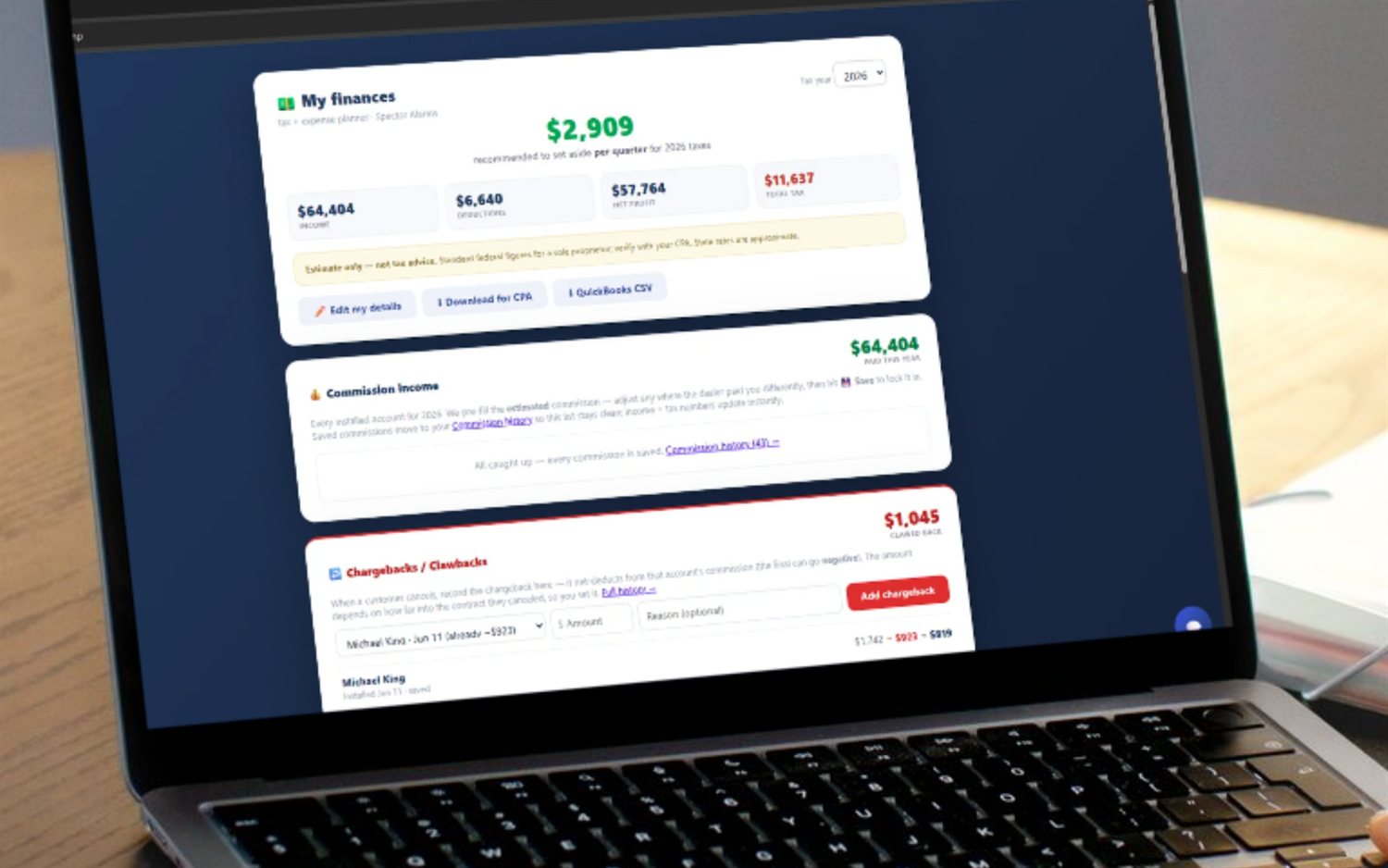
We compare the model, not invented dollar amounts. Confirm each vendor's current numbers on their own site.
| Pricing factor | FieldStacker | Typical per-seat canvassing suite |
|---|---|---|
| Headline price | Flat $25/mo, published | Per-seat tiers; top tiers quote-based |
| Billing model | Per account, month-to-month | Per user / per seat |
| Seat minimum | None — one rep is fine | Often a floor of seats |
| Annual contract | No — cancel anytime | Best rates usually annual |
| Free trial, no card | Yes — 30 days | Demo or limited tier; card often needed |
| Lead data included | Yes — fresh-lead map in-plan | Usually a paid add-on |
| Onboarding fee | None | Sometimes charged up front |
| Rep financials (commission, mileage, 1099) | Built in | Not the focus — canvassing only |
| Add-ons to reach full value | Whole stack in one flat price | Data, marketplace, modules extra |
Most of these tools put doors on a map and track dispositions well. The cost difference is shape: a per-seat suite with data sold separately versus one flat number with the fresh-lead map, team GPS, leaderboard, AI coaching and full 1099 financials all in the box.
Neither shape wins for everyone. Here's the honest split.
Want to see the vendor-by-vendor picture? Compare the best CRMs for door-to-door sales, weigh the free options, or read how FieldStacker stacks up as a SalesRabbit alternative. Selling alarms specifically? The alarm-native edition is SecurityQS, on the same backend.
Every dollar you spend on canvassing software buys you the street — the map, the dispositions, the team view. Almost none of it tracks the rep's own commission, chargebacks, mileage or 1099 taxes; that's still a spreadsheet, and for a 1099 rep it's real money slipping through the cracks. FieldStacker folds all of it into the same flat plan:
Three moves that keep the invoice honest.
Ignore the "starting at" headline. Ask for the monthly number on the exact number of reps you have today — and what it becomes when you add the next three.
Confirm whether fresh lead data, enrichment or a marketplace is included or billed separately. On a per-seat suite it's usually the biggest add-on, so get it in writing.
Ask whether the quoted rate needs an annual commitment or a seat minimum, and whether there's an onboarding fee. Then compare that all-in total against one flat month-to-month number.
There is no single sticker price, because most canvassing platforms are billed per seat and the real number depends on three things: which tier you pick, how many reps you put on it, and which add-ons (lead data, marketplaces, premium modules) you turn on. Entry tiers can look inexpensive per user, but a full team on a business tier with a data add-on and an annual commitment lands in a very different place. As a rough frame: budget a monthly per-seat fee, plus data/lead add-ons, plus onboarding, and expect the best rates to require an annual contract. FieldStacker takes the opposite shape — one flat published price from $25/mo, whole stack included, no seat minimum.
It depends on who is buying. Per-seat pricing suits an established company that wants central admin across a big crew and can commit annually — the cost scales cleanly with headcount, and enterprise features justify it. Flat-rate pricing suits the solo 1099 rep or a small crew who just wants to work doors this week without a seat minimum, a quote call or an annual lock-in. The trap with per-seat is that the useful data and lead features are often add-ons on top of the seat, so your "starting at" number and your invoice drift apart. Price the model on your real headcount, not the headline.
Five common ones. Lead data and enrichment (a per-record or per-month layer on top of the subscription), lead marketplaces (pay-per-lead), onboarding or implementation fees, seat minimums that force you to buy more licenses than you have reps, and annual contracts that lock the rate for a year. Integrations and premium modules can be extra too. The subscription is usually the floor, not the ceiling — always ask for the number on your seat count, with the add-ons you need, on the term you would actually sign.
There are genuinely free tiers and free tools, and for a rep just starting out they can be enough to get doors on a map and track dispositions. The catch is that free plans usually cap the features reps lean on — fresh lead data, team GPS, deeper analytics — and push you to a paid seat once you grow. FieldStacker splits the difference: a full 30-day free trial with no credit card so you can run real leads before you pay, then flat from $25/mo. See our roundup of the best free door-to-door sales apps for the honest picture of what free gets you.
With most enterprise canvassing suites, the best per-seat rate is tied to an annual commitment — which is fine for a company but a lot to sign for a solo rep or two-person team testing the waters. FieldStacker is month-to-month with no annual contract: flat from $25/mo, cancel anytime. You should never have to lock a year of budget to find out whether a tool actually helps you knock more doors.
Flat, month-to-month, from $25/mo, with a 30-day free trial and no credit card. That one price includes the whole stack: the fresh-lead knock map, color-coded dispositions, territories, team GPS knocks, the sales-league leaderboard, AI objection coaching, a free digital business card, and full 1099 financials (real commission, chargebacks, auto-mileage at the IRS rate, and a quarterly tax set-aside). No seat minimum, no annual lock-in, no separate data bill to reconcile. Team plans exist for crews when you grow.
Put your real leads on the map on a 30-day free trial — no credit card — then flat month-to-month from $25/mo. No seat minimum, no annual contract.