Step three: structure the day so the street does not structure it for you
The productive version of a TV canvassing day looks almost boring:
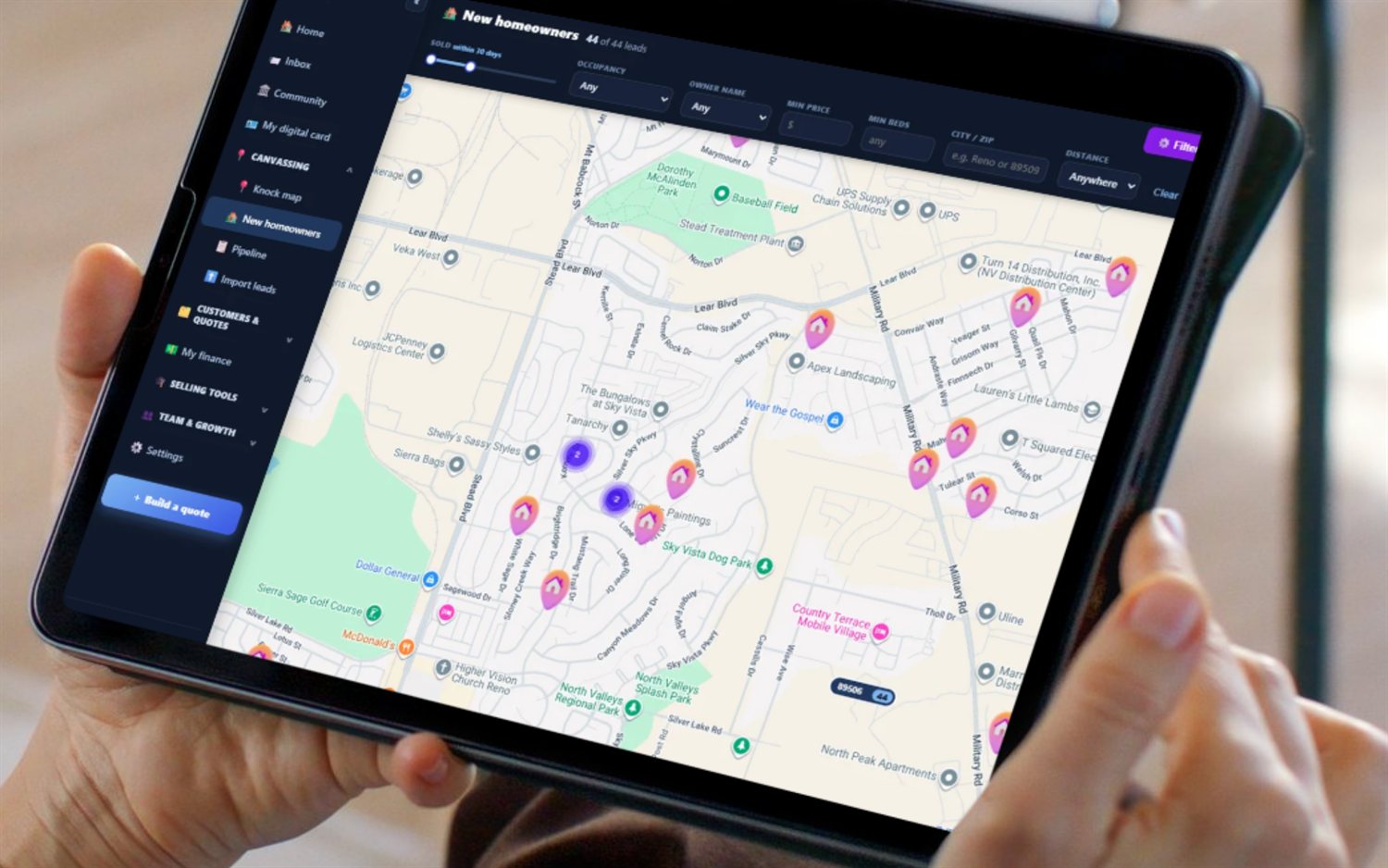
- Morning, off the street. Batch-qualify addresses in the provider portal. Pull today’s mover list and any winback or contract-expiry doors that came due. Build the route so you are walking, not driving between scattered pins.
- First pass: the warm list. Movers, roll-offs and go-backs before anything cold. These convert several times better and they set your mood for the day.
- Second pass: the block. Work cold doors around the warm ones so you are never driving to a single lead.
- Every door gets a status. Not-home is not nothing — it is a return time. In contract is not a no — it is a date. Streams-only is a genuine disqualification and should be marked so nobody on the crew wastes another hour there.
- Evening: the peak window. Save your best streets for the hours doors actually open in your market.
- End of day: five minutes. Confirm tomorrow’s installs, send the check-in messages, and make sure every door you touched has a disposition. This is the habit that separates a pipeline from a memory.
Step four: read the house before you knock it
TV is unusually readable from the sidewalk, and ten seconds of observation changes your opener. A dish already mounted tells you the provider and roughly the vintage. A patched or ghost mount where a dish used to be is a former customer — the warmest cold door on the street. Moving boxes on the porch or a bare front window says mover. No cable pedestal or aerial plant anywhere on the road says satellite is the only real option and your competition is streaming, not cable. A basketball hoop and a team flag says live sports matters in that house. Use the observation; do not announce it.
Step five: qualify before you price, then close on the porch
Two mistakes cost more commission than any weak pitch. The first is quoting a price before the address is qualified and the credit check has run, because that number becomes a promise and the real one becomes a cancel. The second is trying to turn a doorstep conversation into a scheduled sit. Solar and roofing run on appointments; TV mostly does not. If the household is in a switching window, the whole transaction can happen on the porch in fifteen minutes, and the further you push it into the future the more likely it dissolves.
The three closes that work here are small and specific: put their current bill next to your package and ask if you should just run it; offer a choice between two install windows; or take it away and qualify the address first, which lowers the pressure and often raises the interest. Then stop talking. The exact wording, plus a branch for every objection you will hear, is on the TV sales scripts page.
Step six: keep the sale alive to install day
This is the step new reps skip and it is where their income leaks. You are paid on completed installs that survive a chargeback window, so the twenty minutes after the yes are worth as much as the twenty before it.
- Set the install expectation honestly. What the technician will do, roughly how long, what access they need, and that an adult on the account has to be home with ID.
- Do not promise a mount location. The site survey decides that. A rep who guarantees a pole mount and gets a roof penetration has created a cancel.
- Warn them about the first bill. The single most preventable cancel in this trade. First statements commonly include proration, activation or installation charges and look higher than the recurring rate. Say so at the door, in plain numbers, before they see it and assume they were lied to.
- Let the verification call do its job. The recorded confirmation of terms is your friend if you were accurate and your executioner if you were not.
- Check in before install day. A short message that confirms the window and answers the question they thought of overnight is the cheapest chargeback insurance available.
Step seven: the follow-up calendar is the actual business
Everything above produces this week’s units. The calendar produces next year’s. Every door that said “in contract until spring,” “lease is up in August,” or “ask me again before football season” is a dated appointment, and a rep who works a year’s worth of those out-earns a rep grinding fresh cold streets — with less rejection and better conversations.
Add two more streams to the same calendar. First, the post-install check-in a week or two after service goes live: it catches problems before they become cancels, and it is the natural moment to ask for a neighbor’s name. Referrals are the cheapest unit anyone in this trade will ever get. Second, the winback list your dealer already has and most reps refuse to work, because “what made you leave?” is a shorter path to a sale than a cold opener will ever be.
None of this is hard. It is just impossible to hold in your head across several hundred doors, which is the entire reason the job needs a map that remembers.