Scripts · satellite and cable TV

Satellite and cable TV door-to-door scripts that survive a cord-cutter

Four openers built on the four moments a household actually switches providers, and a branch for every real sentence you will hear today — including the ones nobody puts in a training deck.

Flat month-to-month from $30/mo · 14-day free trial · no seat minimums, no annual contract

The short version: TV does not sell on features, it sells on timing. There are four moments a household changes providers — a move, a promo roll-off, a coverage gap, and an expiring contract — and your opener’s only job is to name the one in front of you. Everything after that is branches. Learn the branches cold, write the contract date down, and come back on it.

Why generic D2D scripts fail at a TV door

Most door-to-door script advice assumes the homeowner has an unmet need you can create urgency around. TV is not that. Every house already has television, most of them are reasonably content, and a meaningful share have already made a deliberate decision to leave the category entirely. You are not creating demand — you are catching a household in a narrow window where switching is briefly worth the hassle. Outside that window, the best pitch in the county gets a polite no.

So the script is inverted. Instead of an interrupt that buys you thirty seconds to explain a product, your first line tests for the window. If the window is open, the conversation is easy and often short. If it is closed, your job is not to force it — it is to find out when it opens and write that month down. A TV rep’s book of business is a calendar, not a pile of nos. That is a different job from roofing or solar, and it needs different words.

The four windows, and the opener for each

Read the door before you talk. A moving truck, a bare front room, an unpainted patch where a dish used to be, a satellite dish already mounted, no cable pedestal on the street at all — every one of those tells you which opener to use.

Four openers, four moments

Say them in your own words. The structure is what matters: name the moment, ask one easy question, stop talking.

📦

The mover

“Hey — you just closed on the place, right? I do the TV and internet side out here. Before I take up your time: has anybody gotten you set up yet, or is that still on the list?”

Highest-converting door in the trade. Nobody shops providers on a random Tuesday; they shop the week the boxes land. This is why just-sold leads matter more here than in any other vertical.

📈

The promo roll-off

“Quick one — a bunch of folks on this block got hit when their first-year rate ended. Did yours jump yet, or are you still on the intro price?”

The bill jump is the most reliable irritation in this category. Broadcast TV fees and regional sports fees stack on top of the advertised rate, so the number on the statement rarely matches the number they remember agreeing to.

🛰️

The rural / coverage gap

“I’m the guy who covers out this way — cable is not running this road any time soon. What are you doing for TV out here right now?”

Where satellite still simply wins. Expect a long drive between doors, expect no cell signal, and expect the internet conversation to matter as much as the video one.

🔁

The winback

“My list says you were with us a couple years back — I’m not here to re-pitch the same thing. What made you leave?”

Former customers are the warmest list your dealer will ever hand you and the one most reps refuse to work. Ask the leaving reason first; you will either fix it in one sentence or disqualify the door in ten seconds.

🏢

The apartment / MDU variant

“Do you know if the building includes TV in your rent, or is everybody here on their own?”

Bulk building agreements will kill a whole complex before you knock unit 2. Ask the leasing office once instead of finding out forty doors later — and check whether dish mounting is even permitted on balconies.

🚫

What never works

“Hi, I’m with [company], do you have a minute to talk about your television service?”

Company name first, no moment named, and a yes/no question that hands them the exit. This is the line the door has been trained to end.

The objection branches, in the words they actually use

You will hear roughly eight sentences all day. Drill these until the branch fires before you think about it — that is what buys you the attention to notice the detail that closes the door.

“We stream everything now. We cut the cord years ago.”

What is behind it: usually true, often proud, and frequently accompanied by a stack of subscriptions they have never added up. Do not tell them streaming is worse. You will lose, and you will deserve to.

The branch: “Honestly, half this street streams now — I’m not going to talk you out of it. Curious though: between the internet bill and all the apps, what are you at monthly once it’s all added up?” Then be quiet. A lot of homeowners start counting out loud — internet, one big live-TV app, two or three on-demand services — and land somewhere north of a bundled package. If they land under it and they are happy, they are not your customer. Say so, tag the door streams only, and go. Burning ten minutes on a genuine cord-cutter is how reps lose the block.

“I’m in a contract.” / “I just re-signed.”

What is behind it: a date, and often an early termination fee they have been told is worse than it is — most ETFs prorate down each month of the agreement. The branch: “Totally fair. Two things: who’s it with, and what month does it run out?” Mention contract-buyout credits only if your provider is actually running one and only within the amount you can confirm — an invented number is a cancel and a chargeback waiting to happen. Then the important part: “I’ll put a note to swing back in March, before you auto-renew into another two years.” Write the month down. That single habit is worth more than any close on this page.

“My bill went up like forty bucks and nobody warned me.”

What is behind it: the promo ended, or fees moved. This is the most workable door in the trade and it hands you the whole pitch. The branch: “Yeah — the intro rate came off. Do you have the bill handy? I want to see what’s actually on there, because half of it usually isn’t the package.” Getting a paper or app bill in front of you is the real close in TV sales: fees, equipment rental per box, unused premium channels. Show them what they are paying for, not what you are selling.

“I’m not putting a dish on my roof.” / “You’re not drilling holes in my house.”

What is behind it: a homeowner protecting their property, and sometimes an HOA. The branch: do not promise a mount location — that is the installer’s call on the site survey, and a rep who guarantees a pole mount and gets a roof penetration creates an angry customer and a cancel. Say what is true: “The tech does a survey before anything gets mounted, and there are usually a few options — pole, ground, eave. They’ll walk it with you and you sign off before they touch anything.” If they still hate it and cable serves the address, sell them the cable side. If neither, tag no dish permitted and stop.

“We had satellite before and it went out every time it rained.”

What is behind it: a real phenomenon — rain fade — often made much worse by a marginal install or an obstructed line of sight. Denying it ends your credibility instantly. The branch: “Heavy storms can knock it for a few minutes, that’s honest. When did you have it, and where was the dish mounted? A lot of what people remember as rain is really a dish that had trees growing into the line of sight.” Then move to what you control: the equipment, the price, and what happens if they are unhappy.

“I rent.”

What is behind it: not automatically a no. Cable often needs nothing structural; satellite usually needs written landlord permission for anything mounted. The branch: “No problem — for the cable side that’s usually not an issue. If we go satellite, we just need a yes from the landlord before the tech comes. Want me to leave you the one-pager to send them?” Disposition it renter — needs landlord with a callback, and leave your digital card so they can send you the yes without hunting for a phone number.

“Are you actually with Spectrum, or is this one of those third-party things?”

What is behind it: a decade of bad actors in this exact category. The branch: answer completely, immediately, badge out. “Fair question. I’m with [dealer name] — we’re an authorized retailer for [provider], not the corporate office. Here’s my ID, and the order goes into their system with a recorded verification call so you’ll hear the terms from them, not me.” Reps treat this as a hurdle. It is the opposite: it is the fastest trust you will build all day, and the verification call is a genuine feature you should be volunteering, not hiding.

“How much is this going to cost me today? Is there a credit check?”

What is behind it: a fear of a surprise upfront charge, and often a real credit worry. The branch: be straight. “There is a credit check — it decides whether there’s anything due upfront and what the equipment terms look like. I’d rather run it and tell you the real number than guess at your door.” Never quote an upfront of zero before qualification. Reps who do it produce cancels at install, and the cancel comes straight back out of your commission.

“I have to talk to my wife/husband.”

What is behind it: either genuine, or the softest available exit. The branch: “Makes sense — this is both of your bill. When’s she home? I’m on this street until about seven, or I can come back tomorrow evening with the actual numbers side by side.” A specific time beats “I’ll swing back.” Log it as an appointment, not a maybe.

“Somebody was just here last month.”

What is behind it: canvassing fatigue, and possibly your own teammate. The branch: “Probably one of ours — sorry about that. Did they get you taken care of, or did it never go anywhere?” Then fix the underlying problem: a team map with GPS-verified knocks so two reps stop double-knocking the same street, and a disposition history so the second visit references the first instead of restarting it.
The close, and the recorded call that follows it

TV closes are small and specific, not dramatic. The three that work: the side-by-side (“here’s your bill, here’s the same channels on ours — do you want me to just run it?”), the install-window choice (“the tech has Thursday morning or Saturday afternoon — which is easier?”), and the qualification takeaway (“let me run the address first, because half this street isn’t even serviceable — no point talking price if you’re not”). Each ends on a question. Then stop talking.

What makes this trade unusual is what happens next. On most telecom orders the customer goes through a recorded third-party verification, hears the terms read back, and confirms them without you speaking. Reps who oversold in the driveway watch the sale die right there, on tape. That is a good reason to be accurate rather than persuasive about price, term length, fees and equipment — the verification call is a lie detector attached to your paycheck.

Know the rules where you knock. The FTC’s Cooling-Off Rule generally gives a buyer three business days to cancel a sale made at their home, many cities require a solicitation permit, and plenty of neighborhoods maintain no-knock lists. Misrepresenting who you work for is not a gray area. None of this is legal advice — get your dealer’s compliance guidance and check your local ordinance before you work a new town.

The go-back script — where TV reps actually make their money

Most of your doors today were “not now.” In contract until spring. Waiting for football season. Lease is up in August. A pile of those dates, worked on schedule, outproduces a pile of fresh cold doors — and almost nobody does it, because remembering a hundred dates without a system is impossible.

The script is short because the relationship already exists: “Hey — Marcus, the TV guy. I came by back in the spring, you told me your agreement ran out this month. I wrote it down. Still want to look at it?” The homeowner is not meeting a stranger; they are meeting the one rep who did what he said he would. That opener converts at a multiple of a cold knock, and its entire cost is a disposition and a callback date typed at the door.

Where the script meets the street

A branch is worthless if the door forgets what it said

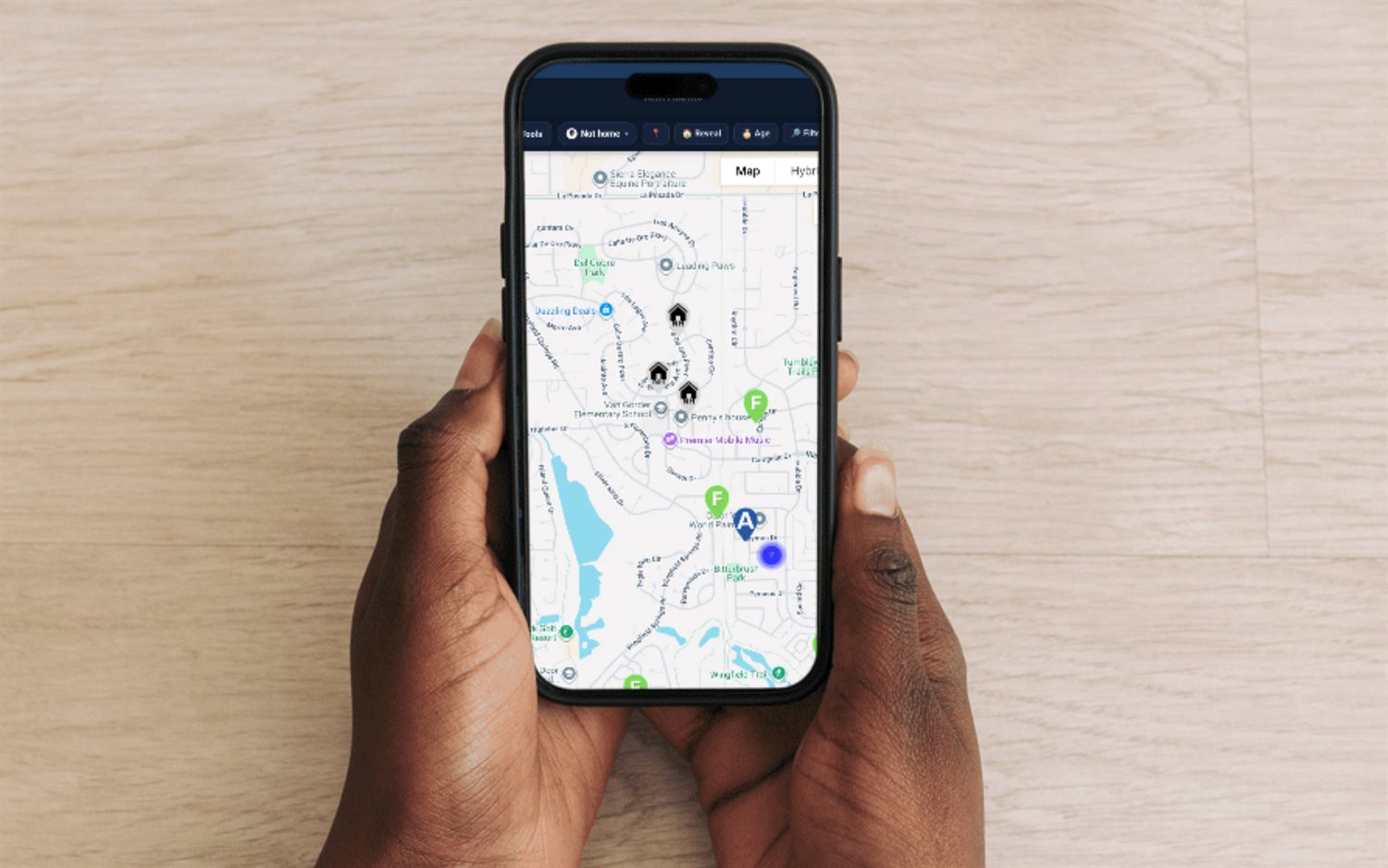
Every script on this page ends the same way — with a date or a status you have to keep. FieldStacker is where those live: custom dispositions in your own words, callbacks that come due the month a contract expires, mover leads so you knock the open window first, and objection coaching between doors on the pushback you are actually getting.

  • Custom dispositions: in contract until, streams only, no line of sight, renter needs landlord
  • Callbacks that surface on the month the agreement or promo rate rolls off
  • Just-sold mover pins so the highest-converting opener gets used first
  • GPS-verified team knocks so nobody re-knocks a door a teammate worked last month
  • Works offline — rural routes log fine with no bars

See the knock map →

FieldStacker knock map with color-coded custom dispositions so every TV door remembers its contract date and status for the next go-back

Keep reading

The rest of the satellite and cable TV playbook.

🚪

The field guide

Territory, season, the day’s structure and the follow-up loop. How to sell TV door to door →

🧾

How you get paid

Per unit, bundle bumps, residual and the clawback window. TV sales commission →

📊

What the job pays

Honest ranges and what drives the spread. Rep income →

🛰️

The CRM for this trade

What FieldStacker handles on the street, and what stays in the provider portal. Satellite and cable TV CRM →

🗣️

General D2D objections

The cross-industry pushback every canvasser hears. Objection handling →

🧩

Other industries

Also knock fiber, solar, roofing or alarms? One login. All industries →

Script questions TV reps ask

What is a good opener for door-to-door satellite or cable TV sales?

Lead with the reason the household would change providers today, not with your company name. The four that work are the mover opener ("you just closed on the place — has anybody gotten your TV and internet set up yet?"), the promo roll-off opener ("a lot of folks on this street got hit with the bump when their first-year rate ended"), the rural opener ("cable is never coming down this road — I handle the satellite side out here"), and the winback opener ("our records show you were with us a while back"). Each one names a moment. Openers that name a company get the door closed on line two.

How do you answer "we stream everything now"?

Do not argue with it — most of the time they are right, and reps who fight it lose. Agree, then move to the two places streaming does not solve: total spend and live sports or local channels. "Honestly, half this street streams now. What are you paying between the internet and all the apps once you add them up?" Homeowners routinely name a number, start counting subscriptions out loud, and discover they are at or above a bundled package. If they land under it and they are happy, mark it streams-only and move on. Some doors are genuinely not your customer.

How do you handle "I am in a contract" at the door?

Treat it as a date, not a no, because that is exactly what it is. Ask when it ends and who it is with, mention the contract-buyout credits some providers run without promising an amount you have not confirmed, and then set the real appointment: "Whose name is on it, and what month does it run out?" Write the month down and disposition the door with that date so the callback comes due when the agreement does. Reps who capture that month build a book of warm doors for next year; reps who say "okay, sorry to bother you" walk away from their own pipeline.

What do you say when someone asks if you are actually with Spectrum or DISH?

Tell the truth immediately and completely: name the provider you sell for and say plainly whether you are the carrier or an authorized retailer or third-party vendor. This trade has a long history of reps blurring that line, so homeowners ask defensively and a clean answer is a trust asset, not a hurdle. Have your badge, your dealer name and your ID out before they finish the question. Any script that coaches you to dodge affiliation is coaching you into a complaint, a cancel and, in a lot of jurisdictions, a legal problem.

How do you handle the "we had satellite and it went out in the rain" objection?

Acknowledge it, because rain fade is real — heavy storms can briefly interrupt a satellite signal, and pretending otherwise ends your credibility on the spot. Then narrow it: ask when they had it and what the install looked like, since a marginal dish alignment or an obstructed line of sight makes it dramatically worse and a lot of old complaints trace back to the install rather than the technology. Be candid that no satellite service is immune, then pivot to what you can actually promise: the equipment, the price and what happens if they are unhappy.

Should I memorize a satellite TV sales script word for word?

Memorize the opener and your objection branches, improvise everything in between. The opener has to be automatic because nerves show in the first five seconds, and the branches have to be automatic because you will hear the same eight sentences all day. The middle needs to breathe so you can actually listen for the buying trigger — a move, a bill jump, a contract date, a sport they miss. A rep who recites the whole thing never hears the one detail that would have closed the door.

Write the date down. Come back on it.

Dispositions in your own words, callbacks that come due when a contract does, and mover leads on the map. 14-day free trial, no credit card, flat month-to-month.