Final expense insurance · door-to-door

The door-to-door CRM for final expense insurance agents

Turn a stack of direct mail lead cards into a routed day. Disposition every attempt, catch the second and third knock that actually pays, and track advanced commission with the lapse chargebacks netted against it — plus every one of those rural miles.

Flat month-to-month from $30/mo · 14-day free trial · no seat minimums, no annual contract

FieldStacker runs the route and the money for final expense — lead cards on a map, attempts tracked, callbacks timed to the Social Security deposit, advanced commission with chargebacks, mileage and 1099 taxes. Carrier quoting, field underwriting, the e-App and prescription history stay where they already are: CSG or Ninja Quoter, your carrier e-App, MIB and your IMO's back office keep doing those. This page draws that line on purpose.

Final expense is the strangest door in door-to-door sales, and almost no canvassing software understands why. You are not walking a street. You are driving a hundred and eighty miles to knock twenty addresses that mailed a reply card back three weeks ago, in four different counties, half of them rural, most of them people in their seventies who do not answer the phone but will absolutely answer the door. The card in your hand is the appointment. The route is the whole job.

Then the money works backwards from every other trade. You get paid on annualized premium, the carrier advances a chunk of the first year before it is earned, and if that policy lapses in month four the advance comes back out of you. Your lead cost is real and it came out of your pocket. Your mileage is enormous and it is the biggest deduction on your return. And you are a 1099 contractor with nothing withheld.

Most agents patch this together with a paper stack in the passenger seat, a phone quoter, a carrier e-App, and a spreadsheet that is always two weeks behind on what actually stuck. FieldStacker collapses the route and the paycheck into one app on the phone, and leaves the underwriting to the tools that do it properly.

What a final expense agent actually gets

Built for the way this trade really works: purchased leads, repeat attempts, long drives, advanced commission.

📮

Your lead cards, on a map

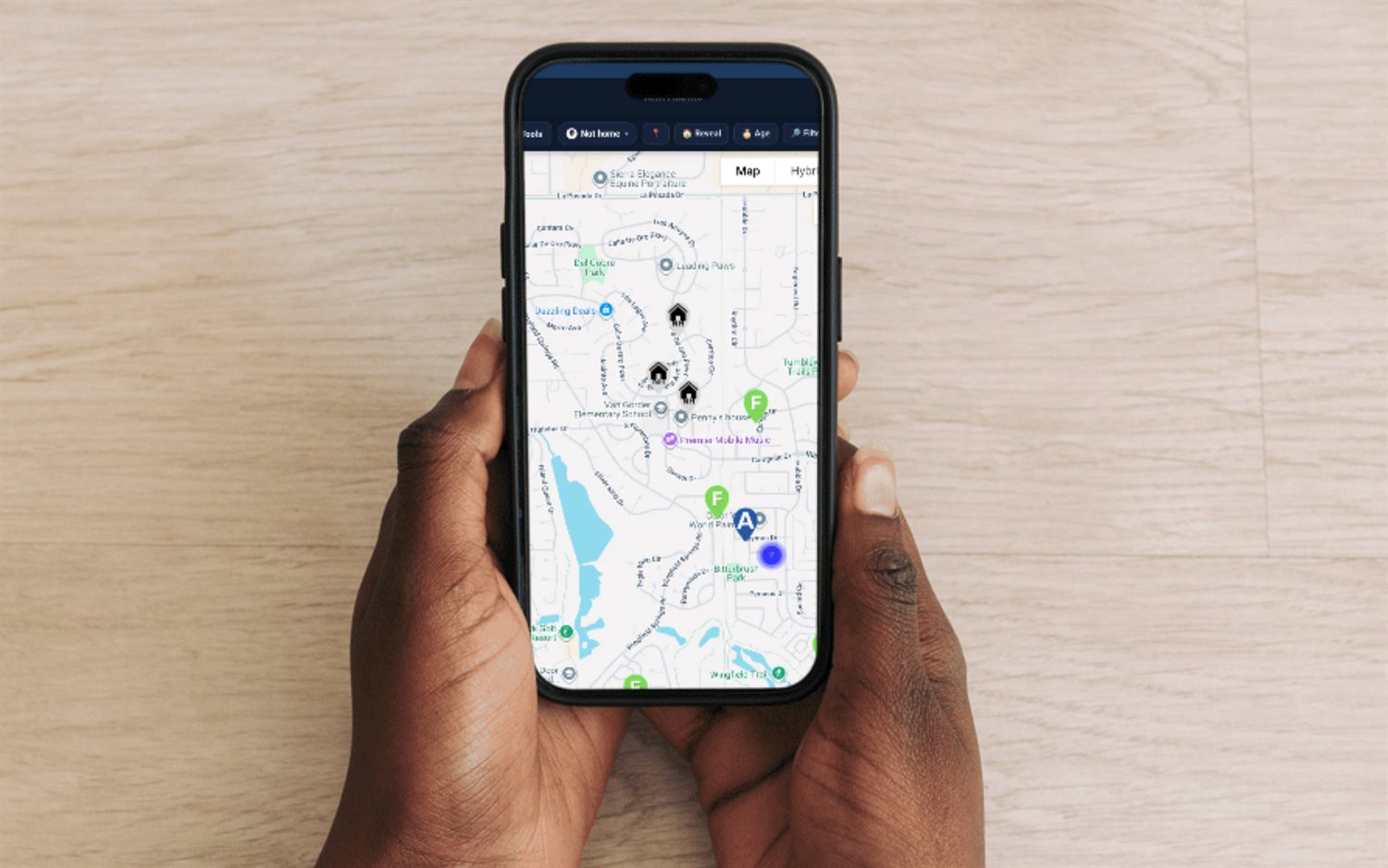
Import the week's direct mail cards or a vendor export from CSV and every address geocodes itself into a pin. Twenty cards in four counties become one routed day instead of a pile you sort by hand at a gas station.

🔁

Attempt tracking that pays

Name your own dispositions: not home 1st, not home 2nd, not home 3rd, appointment set, presented no sale, sold pending underwriting, issued, declined, needs guaranteed issue, moved, deceased, do not knock. The third attempt on a card you already bought is the cheapest lead you own.

🗓️

Callbacks timed to the deposit

"Come back after my check comes in" is the most common soft no in this trade. Set the callback for the week the Social Security deposit actually lands instead of hoping you remember which Wednesday it was.

🧭

Territory and route building

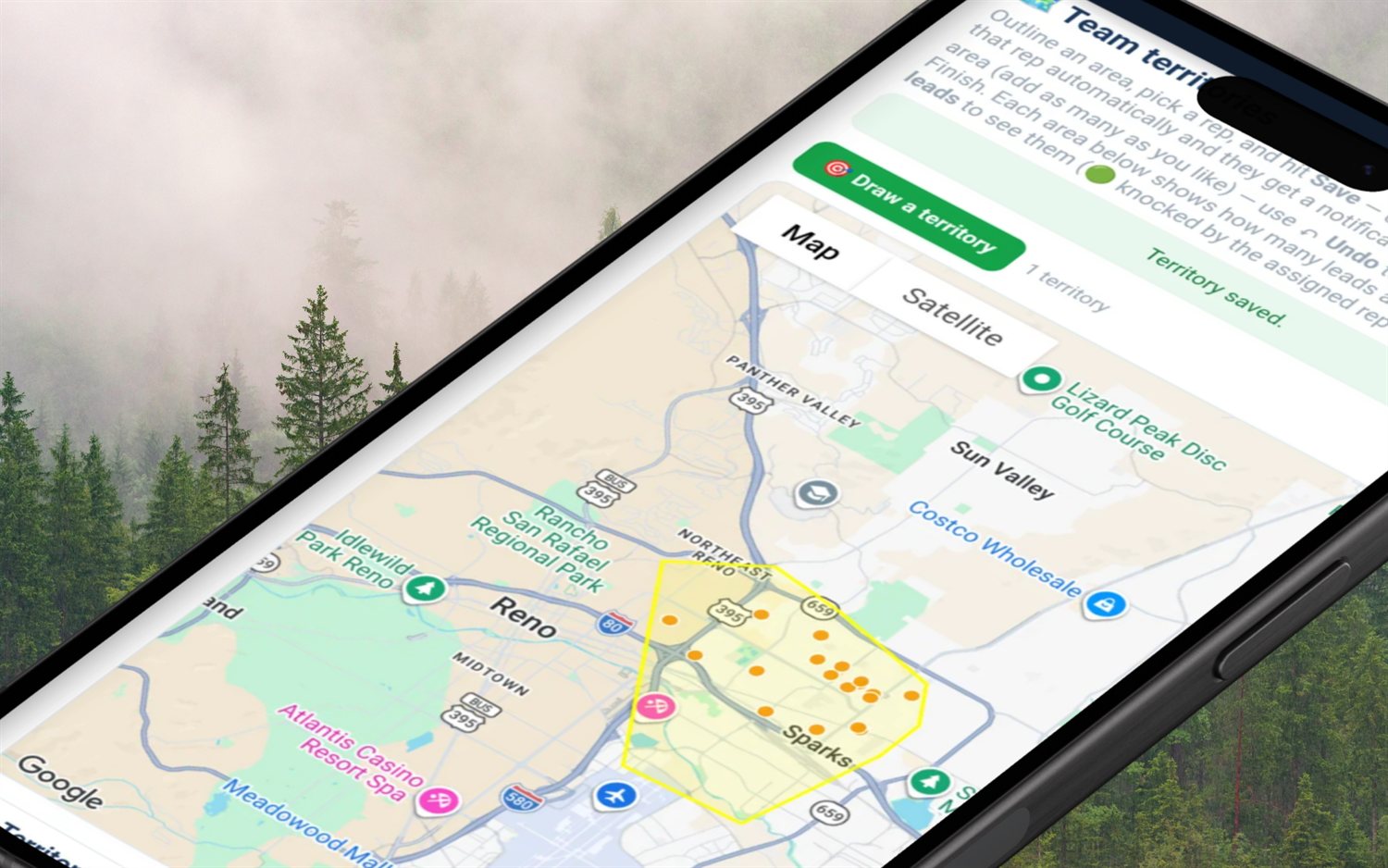
Trace the county or the senior-heavy side of town, assign the leads inside it, and build the loop so you are not crossing your own path three times. Windshield time is the tax this job charges, and routing is how you pay less of it.

📶

Works offline on county roads

Rural addresses are some of the best final expense territory in the country and some of the worst coverage. Knocks, notes and dispositions queue on the phone and sync when the signal comes back.

💵

Advance, chargeback, mileage, tax

Log the case with its annualized premium and your contract level, net the chargeback when a policy lapses inside the advance window, capture mileage automatically at the IRS rate, and watch a quarterly 1099 set-aside build.

Where each tool fits

How FieldStacker fits your carrier stack

Quoting a simplified-issue whole life premium by age, gender, tobacco class and health tier — and knowing which carrier takes a client on blood thinners, which one knocks out oxygen use, and who is level versus graded versus modified — is licensed, regulated work with real consequences for getting it wrong. It belongs on an insurance platform, and the tools built for it are good and they are not expensive.

  • Carrier quoting and product comparison → CSG Actuarial, Ninja Quoter, your IMO's quoting portal
  • The application, voice signature and point-of-sale interview → the carrier e-App, iGo, FireLight or the carrier portal
  • Prescription history and field underwriting knockouts → MIB, the Rx tools your IMO provides, and the carrier's own underwriting guide
  • Licensing, carrier appointments, CE, AML and E&O → NIPR or Sircon and your IMO's onboarding, not a CRM
  • Commission statements, hierarchy and overrides from the carrier → your agency management system or IMO back office
  • Routing purchased lead cards, attempts, callbacks, territories → FieldStacker, today
  • Your advanced commission, chargebacks, mileage and 1099 taxes → FieldStacker, today
See every feature →

FieldStacker territory tool tracing a rural county on the map and assigning the final expense lead cards inside it to one agent

The lead card is the appointment

Final expense lives or dies on how well you work a list you already paid for. That is a routing and memory problem, and it is exactly what a knock map is for.

1

Import the week's leads

Direct mail cards, an aged list, a Facebook batch — drop the CSV in and every address geocodes into a pin. Colour by lead type or by age of the card so a route reads correctly at a glance.

2

Route it before you turn the key

Build the loop for the day so the three cards near one small town get worked together. Fuel and hours are the two things every final expense agent runs out of, and both are decided before you leave the driveway.

3

Log every attempt, not just the sits

A card is not dead after one knock. Tag the attempt, note the truck in the driveway and the time of day, and let the second and third pass come due on their own — that is business you have already bought.

See the knock map →   The field guide →

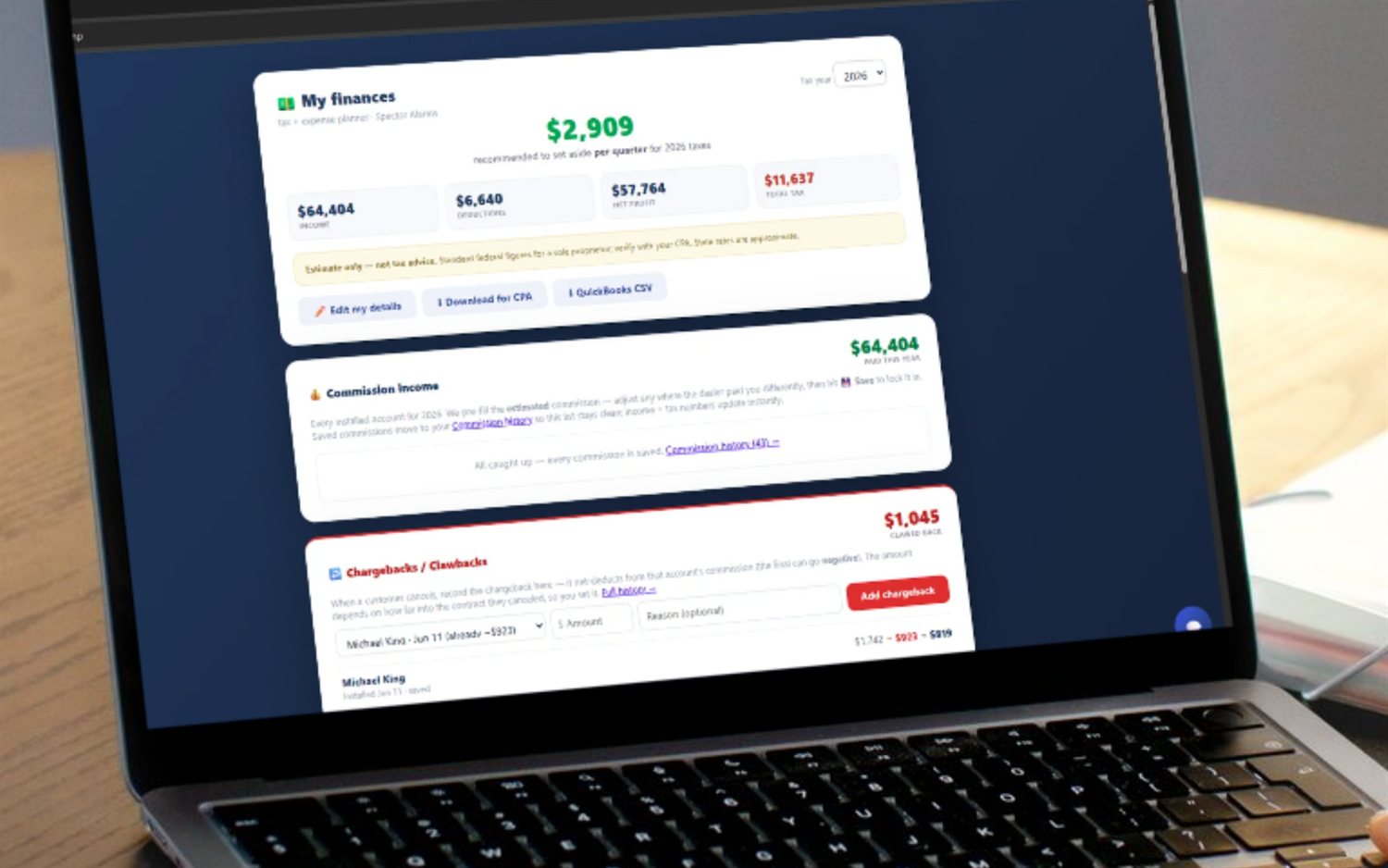
FieldStacker 1099 financials showing advanced final expense commission on annualized premium with lapse chargebacks netted against the total
The part everyone else leaves out

Advanced today, clawed back in month four

Final expense commission is the one structure where a canvassing app that stops at the map is genuinely useless. You are paid a percentage of annualized premium at your contract level, the carrier commonly advances several months of it before it is earned, and a policy that lapses inside that window reverses the unearned portion. Add the lead cost you fronted and it is entirely possible to have a great writing week and a bad month.

  • Per-case commission on your own contract level and the real annualized premium
  • Chargebacks netted against your total when a draft fails and the policy never comes back
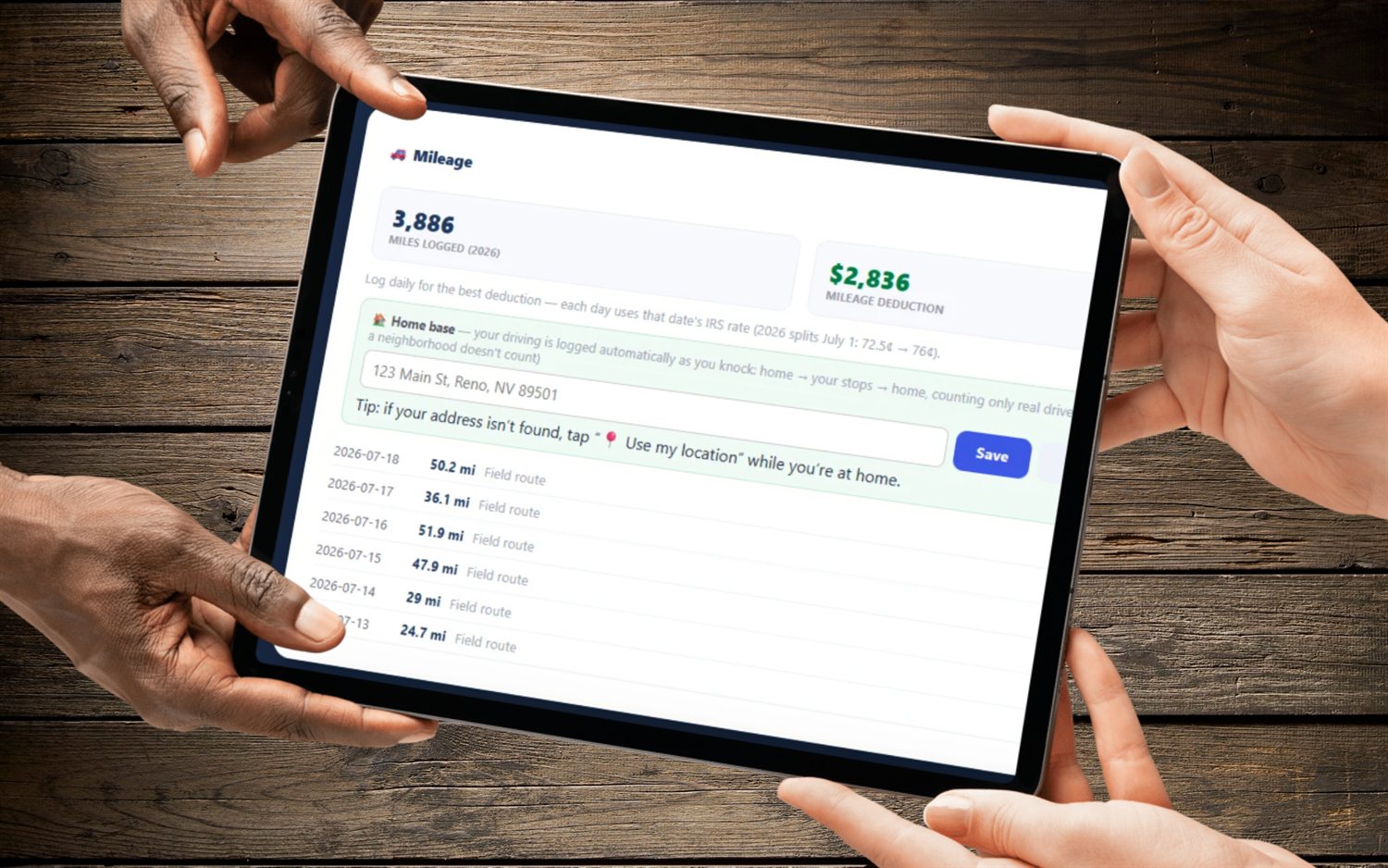
  • Auto-mileage at the IRS rate — this trade drives more than almost any other
  • A quarterly 1099 tax set-aside built from what you kept, not what you wrote
  • AI objection coaching for the lines seniors actually give you at the door

How the commission works →   What agents actually make →

Where the leads come from

Bring the list you already bought

Unlike roofing or water treatment, your best final expense leads are the reply cards a mail drop produced, aged lists you bought cheap, and referrals from families you already served — the just-sold house is not the primary lead source in this trade. So the feature that matters here is import, not discovery — bring a CSV from your lead vendor, your IMO's portal or your old CRM and every address geocodes onto the map by itself.

The new-homeowner lead source is still in the account if you want it, and a senior who just downsized into a smaller place is a legitimate door — a supplement to your mail rather than a replacement for it.

How lead import works →   New-homeowner leads →

FieldStacker knock map with colour-coded pins for imported final expense lead cards showing attempt count and disposition on every address
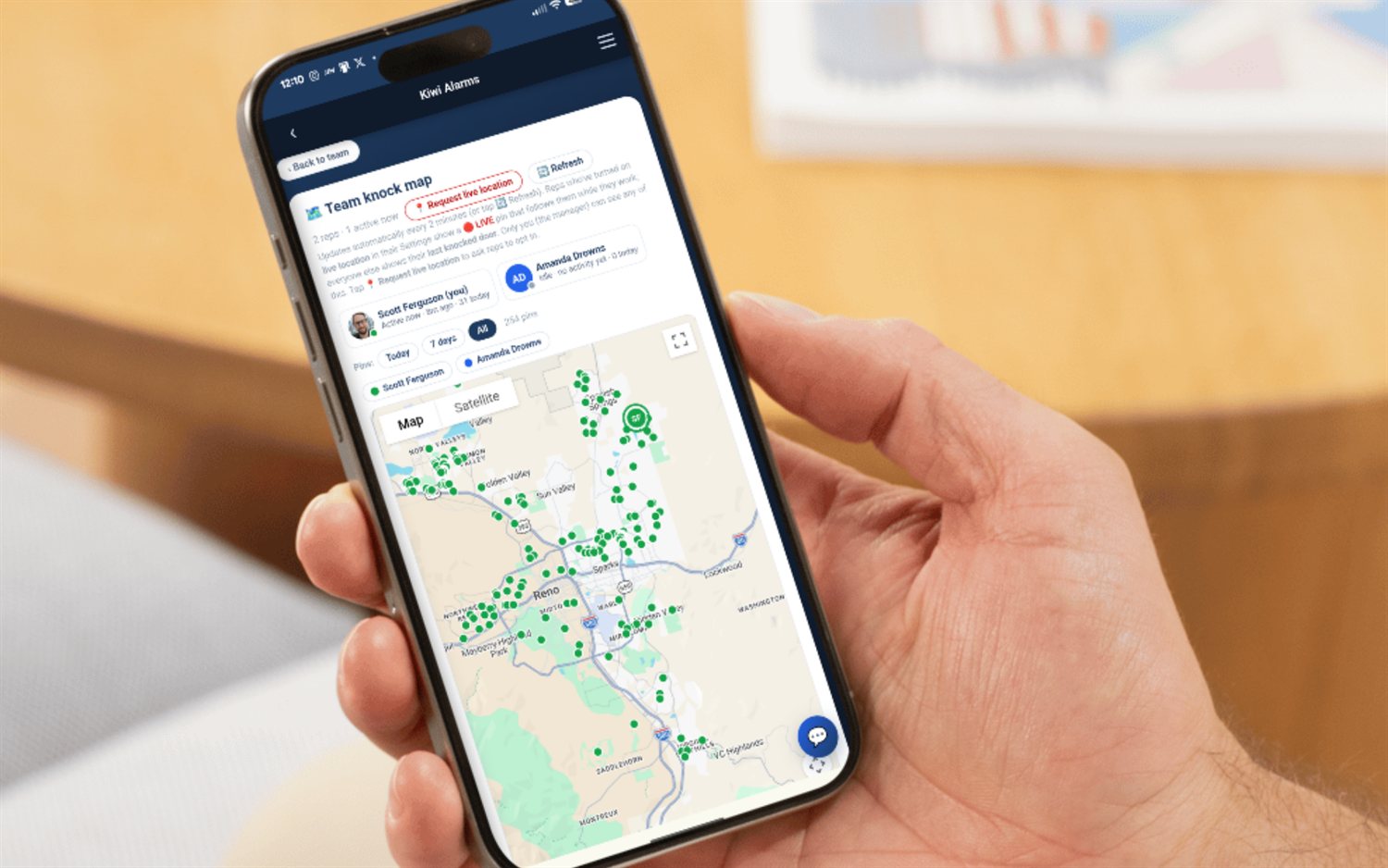
FieldStacker live team map showing GPS-verified knocks from each agent in an insurance agency across a territory
For agency builders

Prove the doors, not just the activity report

Every IMO recruiter has heard "I knocked all my leads" from an agent who knocked six of twenty. GPS-verified knocks put a real location and a real owner on every attempt, so a downline's week is a map instead of a claim. The leaderboard scores what this trade actually scores — annualized premium written and cases issued — and in-app messaging keeps the agency conversation out of a group text that nobody can search.

  • GPS-verified knocks with an owner on every attempt
  • Territories so two agents never work the same mail drop
  • A leaderboard on written AP and issued cases, not vanity doors
  • In-app messaging across the agency, with presence
  • Objection coaching new agents can rehearse between doors

Building a field team →

The stack

Sell final expense and more from one login

Plenty of final expense agents carry more than one line — Medicare Supplement, hospital indemnity and cancer plans on the senior side, and some work an entirely different vertical in the months the mail is slow. Turn on the industries you actually sell and work them from one FieldStacker account: one map, one set of stats, one bill. The alarm side is powered by FieldStacker Security, our alarm edition on the same backend, so nothing lives in two apps.

One caveat worth stating plainly: FieldStacker is a field sales CRM, not a compliance platform. If you sell Medicare Advantage or Part D, the scope of appointment, call recording and CMS marketing requirements are handled by your carrier and enrolment platform — not here.

Explore all industries →   Solar →   Roofing →   Pest control →

FieldStacker automatic mileage capture at the IRS rate for a final expense agent driving a rural multi-county lead route

Final expense D2D questions, answered straight

Is FieldStacker a good CRM for final expense insurance door-to-door?

Yes for the part of the job that happens in the truck and on the porch. Final expense is not really cold canvassing — it is door-knocking a stack of direct mail lead cards that are scattered across three or four counties. FieldStacker imports that lead list from a CSV, geocodes every address, puts it on a map, and builds a route so you stop driving in figure eights. Then it holds your own dispositions (not home 1st, not home 2nd, appointment set, presented no sale, sold pending underwriting, issued, declined), your callbacks, your mileage at the IRS rate, and your advanced commission with the lapse chargebacks netted against it. Carrier quoting, field underwriting a health question and the e-App itself stay in the tools built for them.

Does FieldStacker quote carriers, run the e-App or check prescriptions?

No to all three, and you should not want it to. Comparing Mutual of Omaha against Aetna against Foresters against Royal Neighbors for a 68-year-old on Eliquis is underwriting work that lives in a real final expense quoter such as CSG Actuarial or Ninja Quoter, and the application itself belongs in the carrier e-App or a platform like iGo and FireLight, with the voice signature or point-of-sale phone interview attached to it. Prescription history comes from MIB and the Rx databases your IMO gives you access to. FieldStacker's built-in doorstep quote builder is alarm-native, so pricing a whole life premium by age and health class stays with the quoter. It runs the street and the money; your carrier stack runs the policy.

Does it handle door-knocking direct mail leads rather than cold doors?

That is the main use case for this trade. Upload the week's lead cards or a vendor export as a CSV and every address is geocoded and dropped as a pin. Route the day so the four cards in one rural county get worked in one loop instead of three trips. Tag each card with how many times you have been by, because in final expense the second and third attempt on the same address is where a real share of the business comes from. And when the card says the prospect is only reachable after the Social Security deposit hits, set the callback for that week instead of trusting your memory of a stack you worked in March.

Can it track advanced commission and lapse chargebacks?

This is the trade the chargeback tracking was practically designed for. Final expense pays on annualized premium and most carriers advance a chunk of the first year up front, which means a policy that lapses in month three claws the unearned part straight back out of your next statement. Log the case, record the annualized premium and your contract level, and let the chargeback net against your total when a draft fails and the policy never gets back on the books. Auto-mileage at the IRS rate covers the enormous driving this job involves, and a quarterly 1099 tax set-aside builds while you write.

Does it work on rural routes with no signal?

It works offline, which matters more here than in almost any other vertical. Some of the best final expense territory in the country is rural county road addresses where the bars disappear entirely, and a whole afternoon of knocks, notes and dispositions should not evaporate because a tower was eight miles away. Knocks queue on the phone and sync when signal returns.

How is this different from SalesRabbit, SPOTIO or an agency management system?

The canvassing platforms are seat-based, priced for teams, usually on an annual commitment, and they are built for cold-street canvassing rather than for working a purchased lead list — and they stop before your money. An agency management system sits on the other side entirely: it handles carrier hierarchy, commission statements and policy records for an agency, not the route you drive tomorrow. FieldStacker is flat month-to-month from 30 dollars a month with a 14-day free trial and no card, no seat minimums and no annual contract, and it covers the two things a 1099 final expense agent actually lives in: the route and the paycheck. Check the other vendors' sites for current pricing before you compare.

Keep reading

Owner data

Know the whole neighborhood before you knock

Draw an area on the map and one pull reveals up to 500 homeowners at once — the owner’s name, mailing address, whether they live there or it’s likely a rental, and their estimated age. Every plan with the owner reveal includes 50 pulls a month — that’s up to 25,000 homeowners of rich data every month. Run out and $10 adds another 50 (about 20¢ a pull).

  • Up to 500 homeowners per reveal, up to 25,000 a month
  • Name, mailing address, owner-occupied vs. likely-renter, estimated age
  • Up to 25,000 homeowner records a month, refilled every cycle

See what each plan includes →

🏘️
up to 25,000 homeowners a month

Get this week's lead cards on a map

Start a 14-day free trial — no credit card — import your list, route the day, and log every attempt. Flat month-to-month, cancel anytime.