Satellite and cable TV · door-to-door

The door-to-door sales CRM for satellite and cable TV reps

Just-sold movers on a map, contract-expiry go-backs that come due on their own, GPS-verified crew knocks, and commission tracking that survives a 6-month chargeback window. Built for DISH and DIRECTV retailers, cable vendor crews and solo 1099 reps.

Flat month-to-month from $30/mo · 14-day free trial · no seat minimums, no annual contract

FieldStacker runs the neighborhood for TV sales — mover leads, knocks, dispositions, territories, crew GPS, coaching and your money. Your serviceability lookups, credit qualification, TPV calls, installer scheduling and order entry stay in the DISH, DIRECTV, Xfinity, Spectrum, Cox or Optimum system your dealer already hands you, and FieldStacker runs the street around them. This page shows exactly where the line falls.

Selling TV at the door is a different animal from every other trade on this site. There is no roof to measure and no system to design — the whole job is finding the right household at the right moment. A mover who has not picked a provider yet. A Spectrum customer whose promo just rolled off and whose bill jumped $40. A DIRECTV subscriber four months from the end of a 24-month agreement. A rural house that cable will never reach and streaming cannot serve. Miss the moment and the same door is worthless; catch it and the sale takes eleven minutes.

Which is why the TV rep’s real tool is memory. Not a better pitch — a system that remembers that 412 Oak said “call me in March,” that 418 has trees on the south side so satellite is dead there, and that the duplex on the corner needs the landlord before anyone drills anything. Most reps carry that in a notebook, lose the notebook, and re-knock their own warm leads cold. FieldStacker is that memory, plus the money side that every canvassing app leaves to a spreadsheet.

What a satellite and cable TV crew actually gets

All of it ships today and none of it needs a vertical-specific setup detour.

📦

Just-sold mover leads

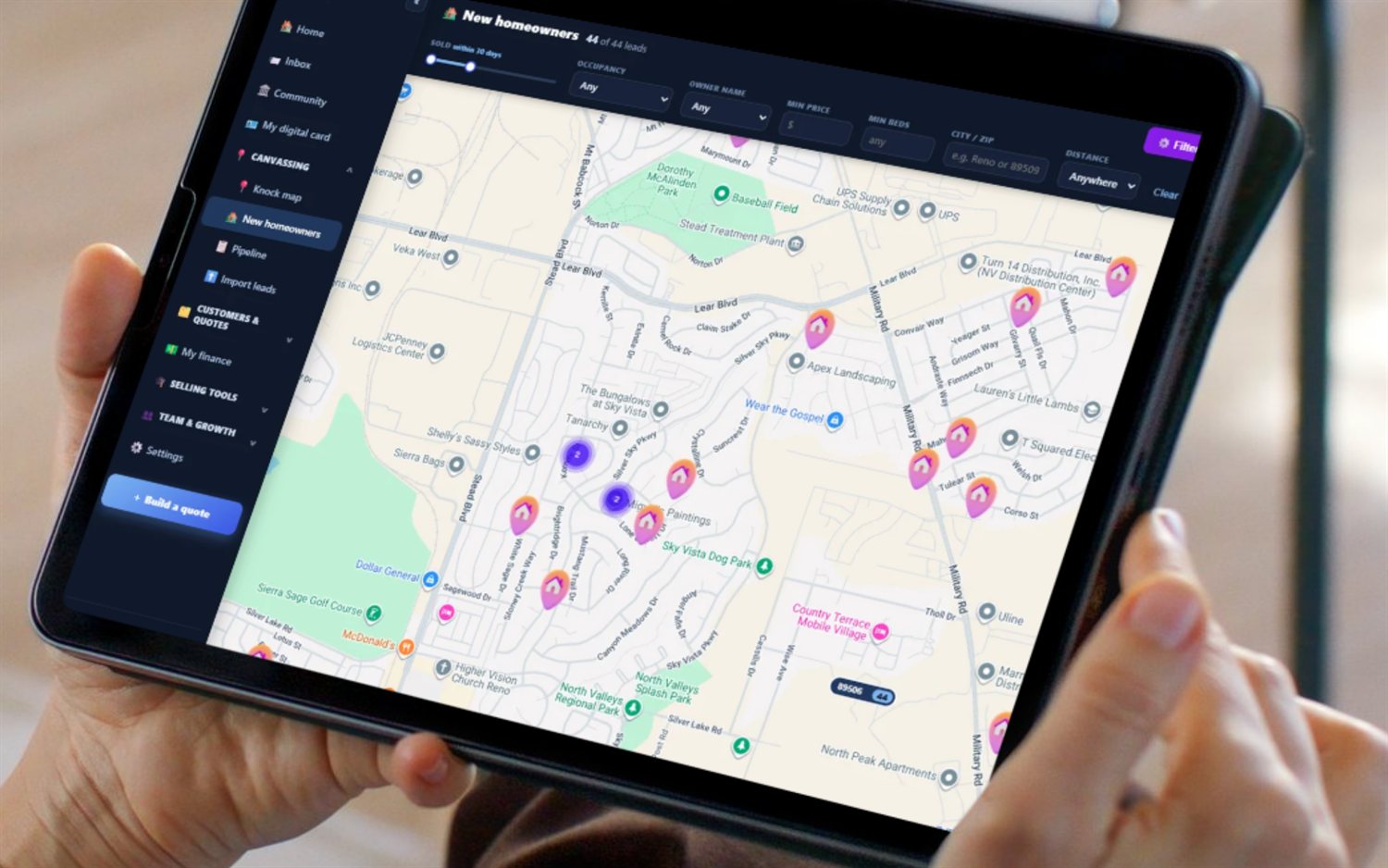
A move is the number one buying trigger in TV and internet — nobody shops providers on a random Tuesday, they shop the week the boxes land. Pull recently-sold homes onto the map as fresh pins and hit them before the welcome mailer does.

🗓️

Contract-expiry go-backs

Tag the door with the month the agreement or promo rate ends, and the callback comes due on its own. The ETF objection is not a no — it is a date, and this is how you actually keep it.

🎨

Dispositions that fit TV

Name your own stages: no line of sight, renter needs landlord, streams only, in contract until, sold, install scheduled, install failed, canceled in window. Your street’s real status at a glance.

🧭

Territories and footprints

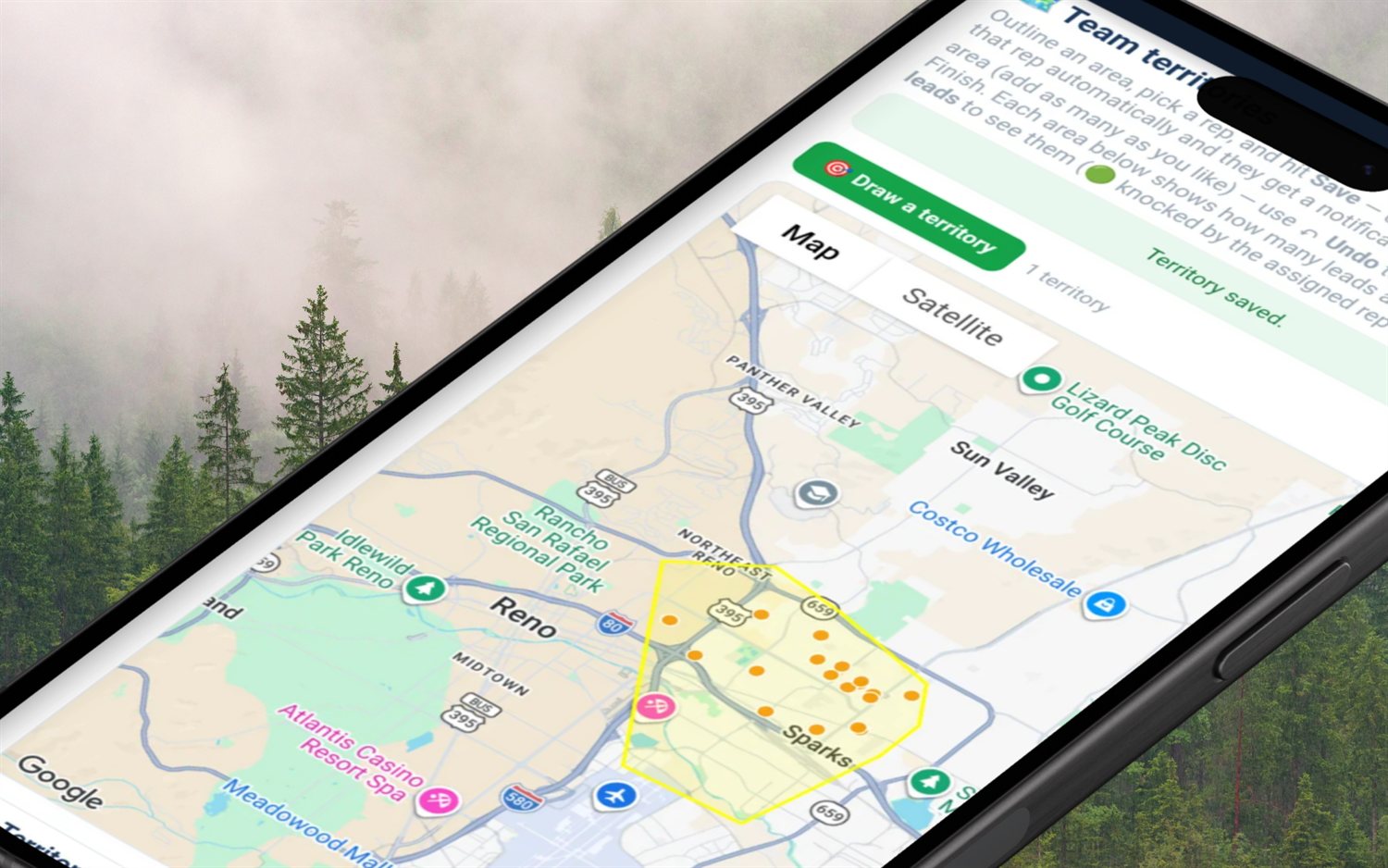
Cable is geography — you can only sell inside the footprint you are assigned. Trace it, assign the leads inside it, and stop paying reps to knock addresses your MSO cannot serve. Apartment complexes get their own polygon.

📍

GPS-verified crew knocks

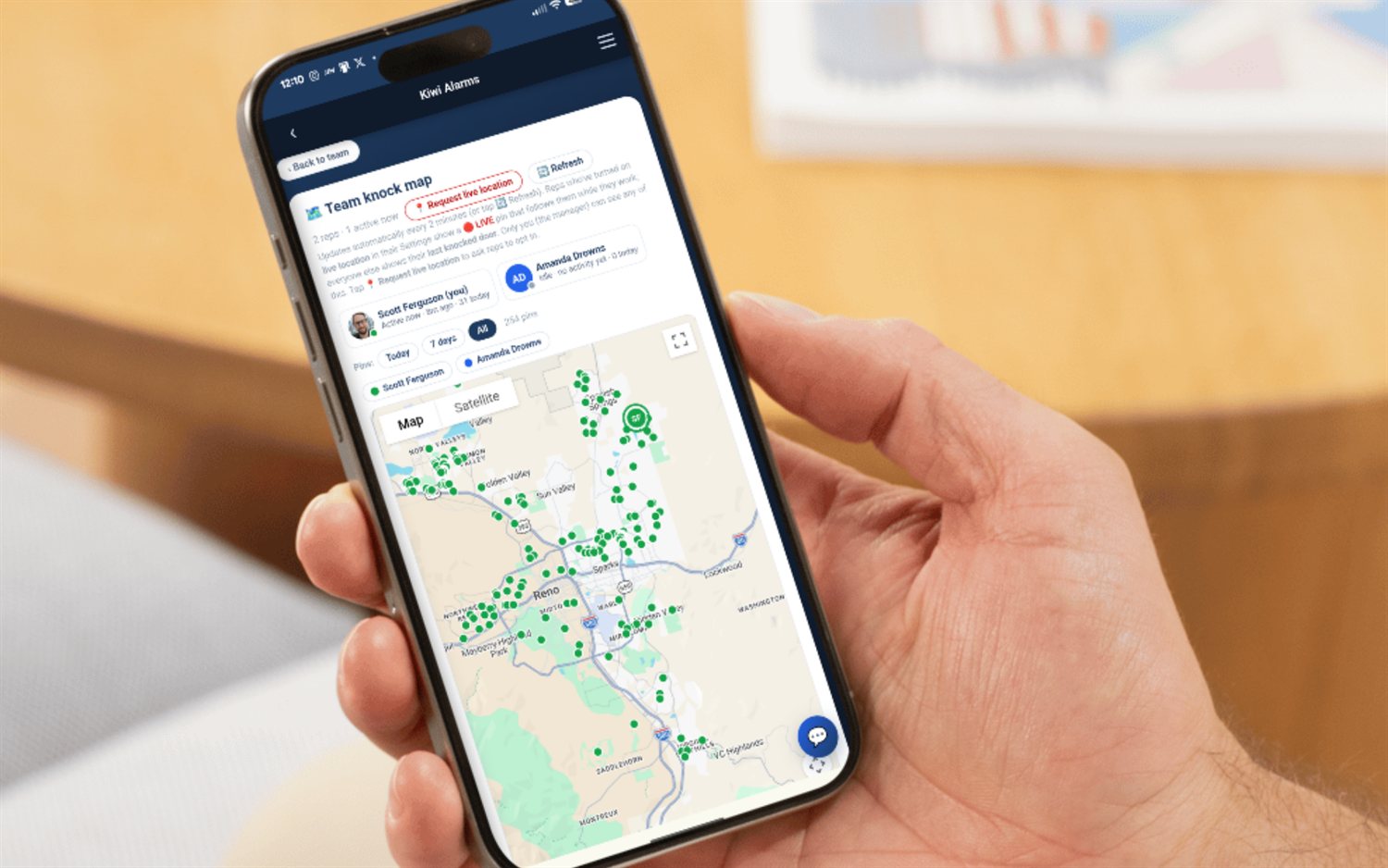
Vendor and retailer programs get audited on door activity, and padded knock counts are an old problem in this trade. Verified knocks on a live team map mean every door is attributed to whoever actually stood on the porch.

💵

Per-unit commission and chargebacks

Log the activation, the internet attach, the mobile line. Then log the clawback when an account cancels in the window, so it nets against your total instead of showing up as a surprise deduction on a statement.

FieldStacker New Homeowners map showing recently-sold homes as fresh lead pins with sold-date and occupancy filters — the mover leads a TV rep wants first
🏡 Movers first — just-sold homes as pins on your map
FieldStacker knock map with color-coded custom dispositions across a neighborhood so every TV door remembers its own status
🗺️ Every door remembers what it said
FieldStacker territory tool tracing a serviceable cable footprint on the map and assigning the leads inside it to a rep
🧭 Draw the footprint, assign what is inside
Where the line falls

How the work splits between FieldStacker and the provider system

Satellite and cable orders run through closed carrier systems. No independent CRM has an API into DISH, DIRECTV, Comcast or Charter, and any tool telling you it does is selling you something. Here is how it divides:

  • Address serviceability and footprint checks → your provider or dealer portal
  • Credit qualification, ID check, upfront-fee tiers → the carrier, at the door, in their system
  • Third-party verification (TPV) calls and recorded consent → the carrier’s compliance flow
  • Order entry, installer windows, equipment provisioning and activation → the provider portal
  • Satellite line-of-sight survey, azimuth and elevation, mount decisions → the installer’s site survey
  • Finding the door, working it, remembering it, getting paid for it → FieldStacker, today

The built-in quote builder is a real feature, tuned for alarm equipment and plans. You can edit it into TV packages and add-ons to price something at the door, and reps do — with the promo math, the broadcast TV and regional sports fee logic and the serviceability all staying on the provider’s side. Whatever your provider’s tool shows is the number the customer will actually be billed.

See every feature →

FieldStacker live team map showing GPS-verified knocks from a canvassing crew across a neighborhood

A TV rep’s day, in one flow

From a list of addresses to a commission you can still see six months later.

1

Load the list, draw the footprint

Import the winback or serviceable-address CSV your dealer hands you — addresses geocode automatically — then trace the footprint or complex you are working and build the route.

2

Knock, qualify, disposition

Qualify in the provider portal, run TPV and submit the order there. In FieldStacker, tag what the door actually said and set the callback for the contract or promo date.

3

Watch it through install

Install scheduled, install completed, or install failed — the stages that decide whether you get paid at all. Log the sale and your per-unit rate when it clears.

4

Survive the window

If the account cancels inside the clawback window, log the chargeback so it nets against your total. Mileage and the quarterly tax set-aside handle themselves.

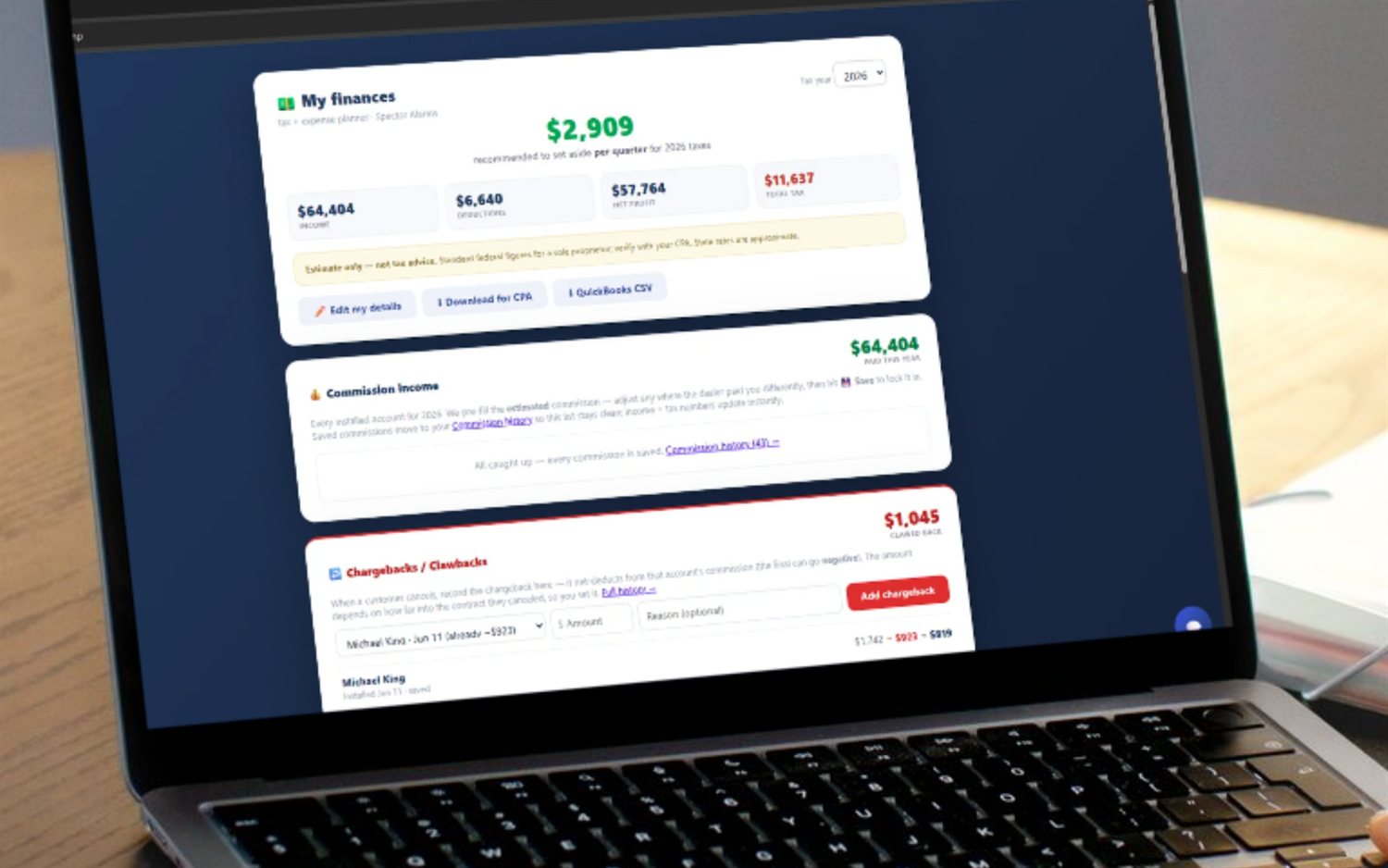
FieldStacker 1099 financials showing real per-deal commission, chargebacks and clawbacks netted against the total, and a quarterly tax set-aside
The part everyone else leaves out

Chargebacks are the whole game in TV pay

No other trade on this site has a pay structure this back-loaded. A roofer’s job is done when the roof is on. A TV rep’s sale is not really yours until the account survives the dealer’s clawback window — often 90 to 180 days, sometimes longer on bundled mobile lines. A rep who never tracks it just watches the deposit shrink and never knows which of last quarter’s deals died.

  • Per-unit commission with your own rate card, plus bundle and mobile spiffs
  • Chargebacks and clawbacks that net against your total, not vanish
  • Auto-mileage at the IRS rate — rural satellite routes are enormous
  • A quarterly 1099 tax set-aside so April is not a shock
  • Works offline, so the dead-zone half of the county still gets logged

How TV commission actually works →

The unfair advantage

The rep with the calendar beats the rep with the pitch

Half the doors in this trade say a version of the same thing: not right now. In contract until spring. Just re-upped. Wants to wait until football season. Renting until the lease is up. Those are not rejections, they are appointments with no date attached — and the rep who attaches the date wins the street twelve months later without knocking it cold again.

  • Set the go-back for the exact month the agreement or promo rate rolls off
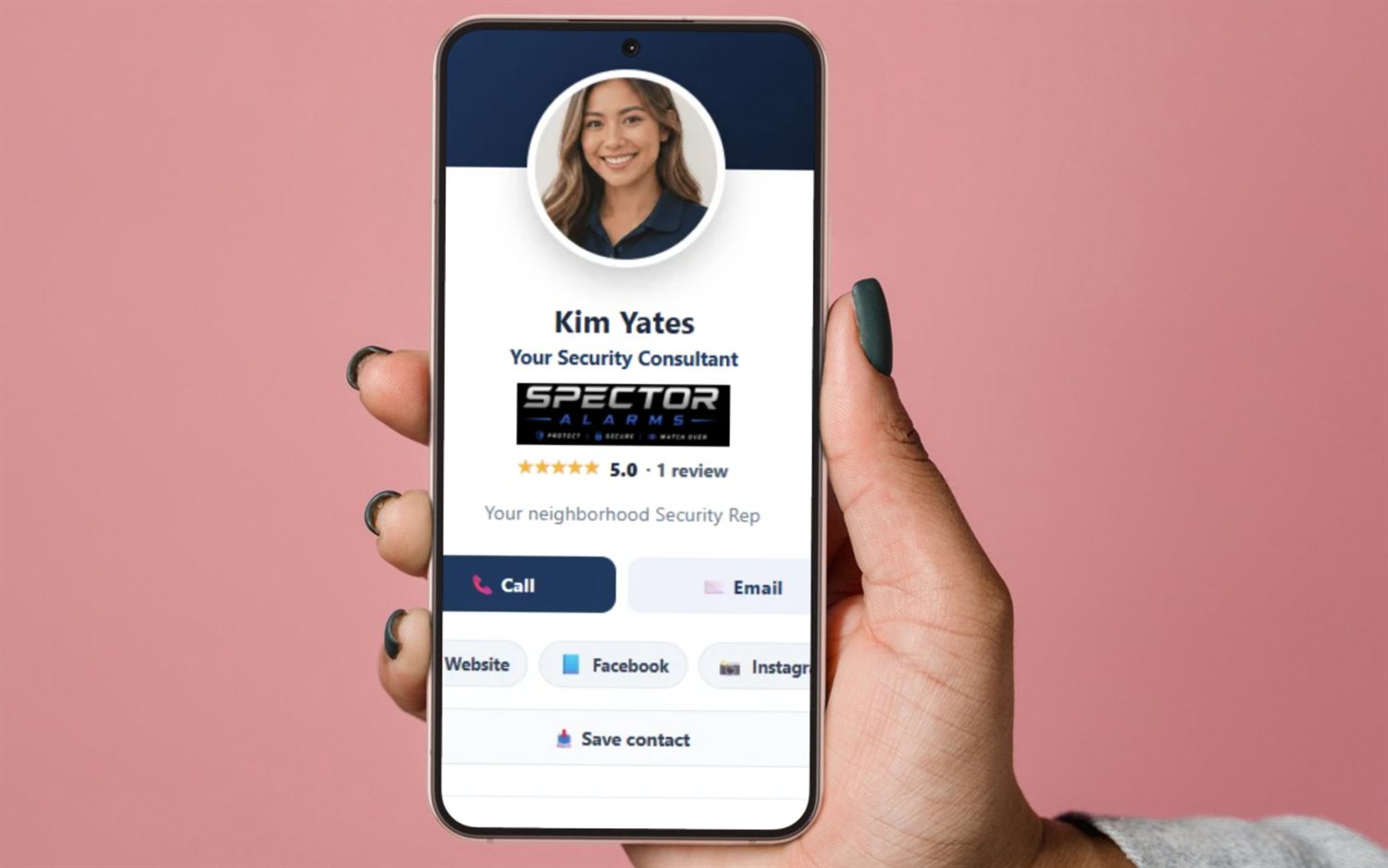
  • Leave a free digital business card with a QR code so they can reach you first if the bill jumps early
  • Team messaging so a lead can be handed to whoever is on that block today
  • Objection coaching between doors, on the objections you actually get

See the scripts →

A FieldStacker rep digital business card on a phone with a QR code, reviews and call, text and save-contact buttons

More for satellite and cable TV reps

The rest of the TV playbook on this site.

🗣️

Scripts and objections

Openers that survive a cord-cutter, and the branch for every real sentence a homeowner says. TV sales scripts →

🧾

How the pay works

Per unit, bundle bumps, residual, and exactly what gets clawed back and when. TV sales commission →

📊

What reps really earn

Honest ranges, first year versus experienced, and the 1099 math nobody mentions at the interview. Income ranges →

🚪

The field guide

Territory choice, football season, the pitch, the close and the follow-up. How to sell TV door to door →

🗺️

The knock map

What a knock map is, what the pins do, and how routing a block actually changes your day. Knock map →

🧩

Every other industry

Also knock solar, fiber, roofing, pest or alarms? Same login, same map, one bill. All industries →

The stack

TV, internet and everything else from one login

Almost nobody sells only video anymore. TV reps attach internet, mobile lines and — on rural routes — satellite internet, and plenty of them knock fiber or solar on the same street. Turn on the industries you actually sell and work them from one FieldStacker account: one map, one set of stats, one bill. The alarm side is powered by FieldStacker Security on the same backend, so nothing lives in two apps.

Explore all industries →   See flat pricing →

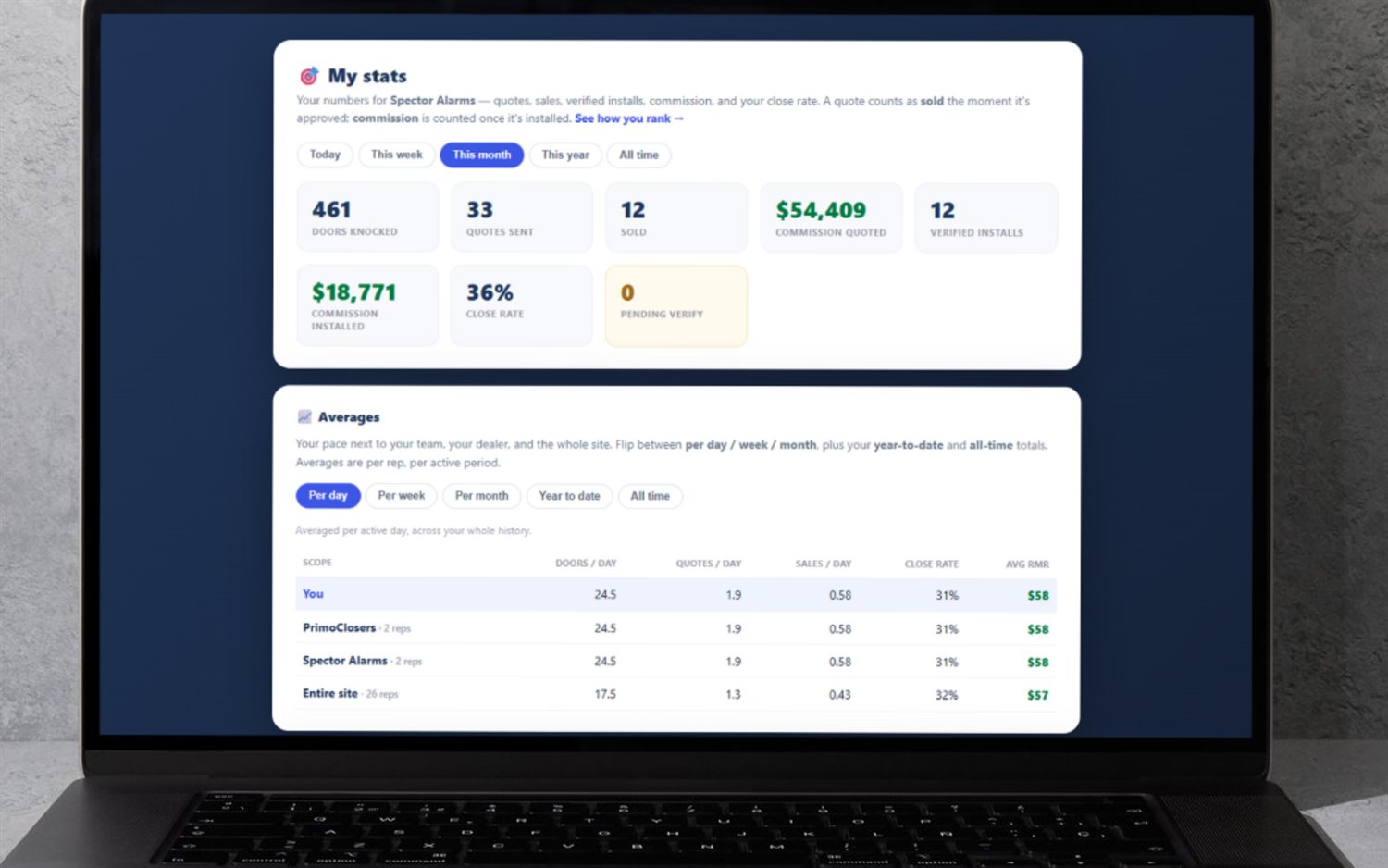
FieldStacker stats dashboard showing knocks, contacts, appointments and closes across everything a rep sells

Satellite and cable TV D2D questions, answered straight

Is FieldStacker a good CRM for satellite and cable TV door-to-door sales?

Yes for the street and the money — which is most of a TV rep's day. The fresh-lead knock map, just-sold homeowner leads, custom dispositions, drawn territories, GPS-verified team knocks, route building, leaderboard and 1099 financials all work for a DISH or DIRECTV retailer, a cable vendor crew or a solo 1099 rep today. What it does not do is talk to your provider: serviceability lookups, credit qualification, TPV and order entry stay in the DISH, DIRECTV, Xfinity or Spectrum system your dealer already gave you. FieldStacker runs the neighborhood; the provider portal runs the order.

Does FieldStacker check address serviceability or submit orders to DISH, DIRECTV, Xfinity or Spectrum?

No. There is no serviceability or footprint lookup, no credit check, no third-party verification call, no installer calendar and no order submission. Those live inside the provider or dealer system you are already required to use, and no independent CRM gets an API into them. FieldStacker holds everything around the order: which doors you knocked, what they said, when the contract expires, who on the crew worked the block, what you are owed, and what got charged back.

Can it track TV commissions, bundle spiffs and the chargeback window?

Yes, and this trade needs it more than most. Log the sale, record your per-unit commission and any internet or mobile bundle bump, then log the chargeback when an account cancels inside the dealer's clawback window — commonly somewhere in the 90-to-180-day range, but your agreement is the only number that counts. Chargebacks net against your total instead of quietly disappearing, mileage is captured automatically at the IRS rate for those long rural runs, and a quarterly 1099 tax set-aside builds as you go.

Does it help with the "call me when my contract is up" doors?

That is the single highest-value habit in TV sales and it is exactly what dispositions and go-backs are for. Tag the door with your own stage — in contract until March, streams only, renter needs landlord approval, no line of sight — and set the callback for the month the agreement or the promo rate rolls off. The door comes due on its own and you knock it warm, referencing the last conversation, instead of cold-knocking your own best lead a year later.

How is this different from SalesRabbit or SPOTIO for a TV dealer?

Those are capable canvassing platforms, but they are seat-based, sold to teams, usually on an annual commitment, and they stop at the map — your per-unit commission, bundle spiffs, chargebacks, mileage and 1099 taxes go back to a spreadsheet. FieldStacker is flat month-to-month from $30/mo with a 14-day free trial and no credit card, no seat minimums and no annual contract, and the rep's money lives in the same app as the knocks. Built for the 1099 rep first, then the crew. Check their sites for current pricing.

Does it work on a rural satellite route with no cell signal?

Yes — this is where satellite still wins and where most apps fall over. FieldStacker works offline: knock, disposition, take notes and log the sale with no bars, and everything syncs when you come back into coverage. Build the route before you leave town, work the dead zone, and let the phone catch up on the drive home. Combined with automatic mileage capture, the long rural day finally records itself.
Owner data

Know the whole neighborhood before you knock

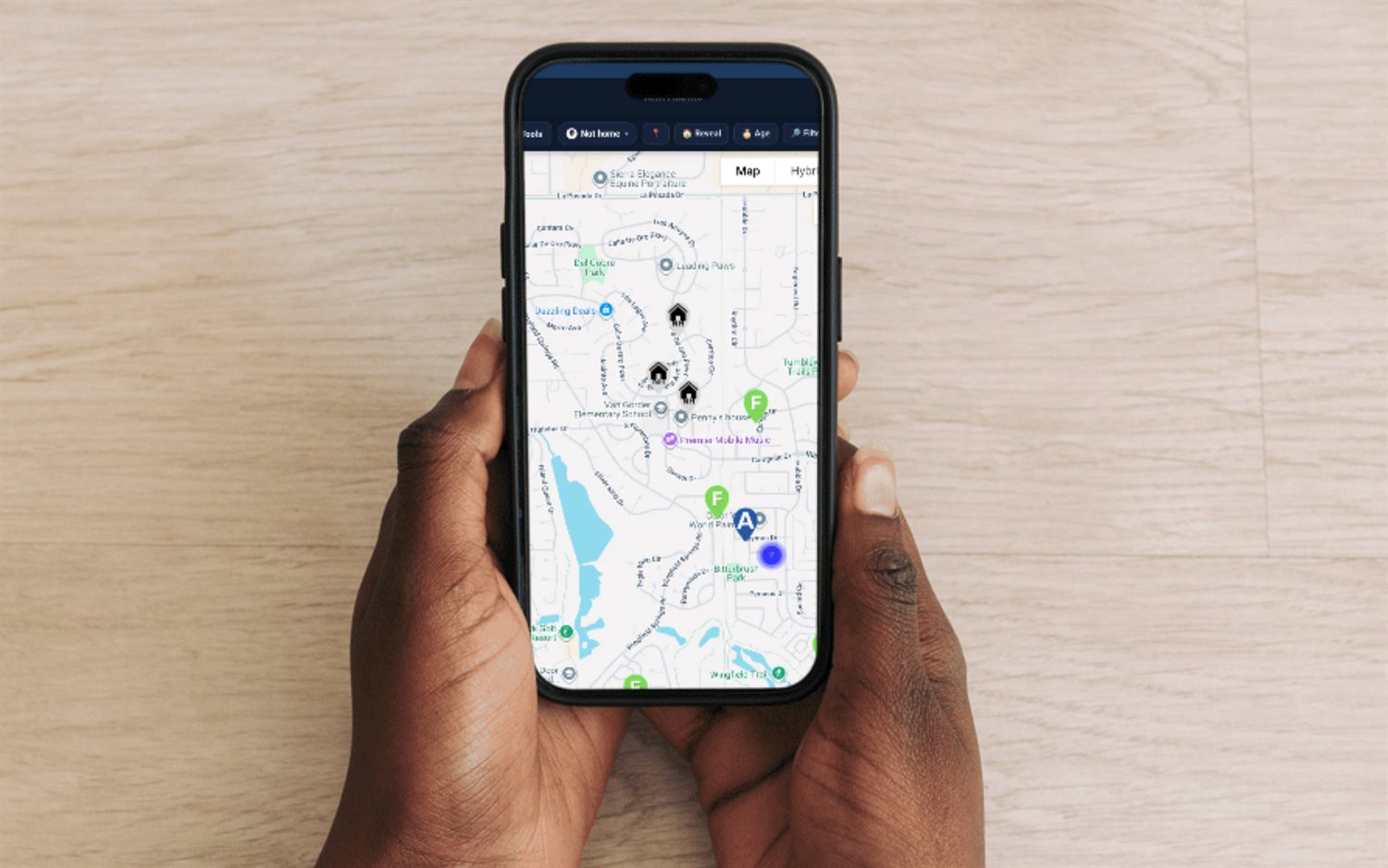
Draw an area on the map and one pull reveals up to 500 homeowners at once — the owner’s name, mailing address, whether they live there or it’s likely a rental, and their estimated age. Every plan with the owner reveal includes 50 pulls a month — that’s up to 25,000 homeowners of rich data every month. Run out and $10 adds another 50 (about 20¢ a pull).

  • Up to 500 homeowners per reveal, up to 25,000 a month
  • Name, mailing address, owner-occupied vs. likely-renter, estimated age
  • Up to 25,000 homeowner records a month, refilled every cycle

See what each plan includes →

🏘️
up to 25,000 homeowners a month

Put your TV route on a map this afternoon

Import the address list, draw the footprint, and start setting go-backs that actually come due. 14-day free trial, no credit card, flat month-to-month, cancel anytime.